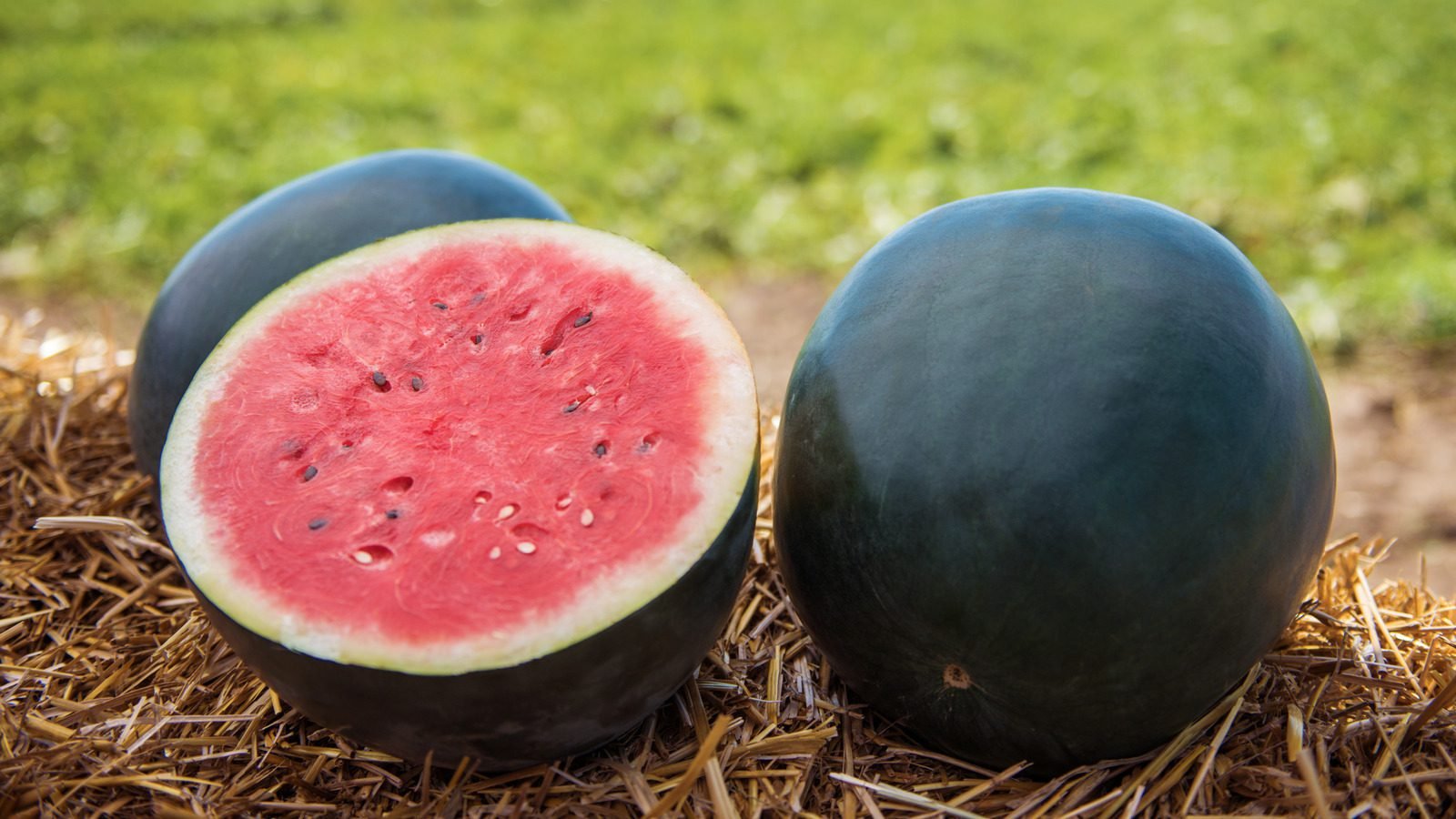
Welcome to GardenKT. The black diamond watermelon is one of the most iconic and prized watermelon varieties in the United States. Known for its deep green to nearly black rind and sweet, juicy pink flesh, this melon stands out in both home gardens and commercial fields. Whether you’re a beginner gardener or an experienced grower, learning the essentials of planting, caring, and harvesting black diamond watermelon will ensure a fruitful season.
In this guide, we’ll explore everything from soil preparation to pest management, tips for maximizing sweetness, and ways to enjoy this classic summer fruit.
What Makes Black Diamond Watermelon Unique?
The black diamond watermelon is a heirloom variety, known for its:
-
Dark green-black rind: Gives the melon a striking appearance.
-
Large size: Typically 25–40 pounds, sometimes more.
-
Sweet, pink flesh: Dense, crisp, and juicy, with fewer seeds than older varieties.
-
Thick rind: Offers better protection during shipping and storage, which is why it became popular for commercial growing.
According to The Spruce, this variety was originally developed in the southern U.S. and thrives in warm climates with long growing seasons.
Ideal Growing Conditions
For a successful black diamond watermelon harvest, you’ll need to meet certain growing conditions:
Climate
Watermelons are warm-season crops. Black diamond watermelon thrives in:
-
Full sun (at least 8–10 hours daily)
-
Warm soil temperatures above 70°F for germination
-
A frost-free growing period of at least 80–100 days
Soil Requirements
-
Well-draining soil is essential to prevent root rot.
-
Sandy loam or loamy soils with high organic matter work best.
-
Soil pH between 6.0 and 6.8 is ideal.
-
Adding compost or well-rotted manure improves fertility and moisture retention.
For guidance on soil preparation, check our internal guide: How to Prepare Garden Soil.
Watering
-
Keep the soil consistently moist during germination and early growth.
-
Deep watering once or twice a week is better than frequent shallow watering.
-
Reduce watering as melons mature to concentrate sugars and improve sweetness.
Planting Black Diamond Watermelon
From Seeds
-
Sow seeds directly in the garden after the last frost, once soil temperatures reach at least 70°F.
-
Plant 1 inch deep and space 3–5 feet apart to accommodate sprawling vines.
Using Transplants
-
Start seeds indoors 3–4 weeks before the last frost.
-
Harden off seedlings by gradually exposing them to outdoor conditions before transplanting.
Gardening Know How recommends spacing hills or rows 6–8 feet apart for optimal growth.
Fertilizing Black Diamond Watermelon
To support vigorous vine growth and large fruit:
-
Pre-planting: Incorporate a balanced fertilizer (10-10-10) into the soil.
-
During growth: Apply a nitrogen-rich fertilizer to encourage vine development.
-
When flowers appear: Switch to a phosphorus and potassium-focused fertilizer to promote flowering and fruit set.
Avoid over-fertilizing nitrogen once fruits form, as this can lead to more leaves and fewer melons.
Supporting Healthy Growth
-
Mulching: Use straw or black plastic mulch to conserve soil moisture, regulate temperature, and suppress weeds.
-
Vine management: Train vines to avoid crowding. This improves air circulation, reducing the risk of fungal diseases.
-
Pollination: Watermelons need pollinators. Planting flowers nearby or attracting bees helps maximize fruit set.
Pests and Diseases of Black Diamond Watermelon
Black diamond watermelons can attract several pests and are susceptible to diseases:
Common Pests
-
Aphids
-
Spider mites
-
Cucumber beetles
-
Squash vine borers
Use natural controls, such as insecticidal soap or companion planting with flowers to attract beneficial insects.
Common Diseases
-
Powdery mildew
-
Downy mildew
-
Fusarium wilt
Maintain proper spacing and air circulation, and remove infected leaves promptly.
Harvesting Black Diamond Watermelon
Harvesting at the right time ensures optimal sweetness:
-
Look for a yellow spot on the underside where the melon rested on the soil.
-
Check for a dry tendril nearest the fruit’s stem.
-
Tap the melon; ripe watermelons produce a deep hollow sound.
-
Weight and size can also indicate ripeness—black diamond watermelons are large and heavy.
Dallas Garden Buzz emphasizes that patience is key—harvesting too early reduces sweetness and texture quality.
Storage and Serving
-
Thick rind allows storage for 2–3 weeks at cool room temperature.
-
Refrigerate cut fruit promptly.
-
Slice, cube, or blend into juices, smoothies, or refreshing summer salads.
Companion Planting for Black Diamond Watermelon
To support healthy growth and protect against pests, consider companion plants:
-
Corn or sunflowers to provide wind protection
-
Marigolds to deter insects
-
Cucumbers, cantaloupe, or beans for shared nutrient use
Tips for Maximizing Sweetness
-
Limit watering slightly as melons approach maturity.
-
Ensure full sun exposure for sugar development.
-
Avoid over-fertilization with nitrogen late in the season.
These techniques help achieve the sugary, flavorful flesh that makes black diamond watermelon a summer favorite.
Final Thoughts
Growing a black diamond watermelon can be deeply rewarding. With its dramatic dark rind and juicy, sweet flesh, it’s a standout in any garden or backyard farm. By providing warm temperatures, nutrient-rich soil, proper care, and patient attention, your watermelons will thrive and deliver a spectacular summer harvest.
For more tips on fruits and vegetables for your garden, visit GardenKT for guides, seasonal advice, and expert tips.