Welcome to GardenKT. If your garden is full of cheerful yellows, pinks, and purples, imagine the mystery a deep, velvety black bloom could bring. Black flowers have a striking elegance that makes them stand out against any background. They aren’t truly black but rather deep shades of purple, burgundy, or maroon that appear black in the right light.
These rare beauties add sophistication and depth to your garden design. Whether you’re creating a romantic moonlight garden or looking to make bold contrasts, black flowers can elevate your space from ordinary to extraordinary.
Let’s explore how to grow, care for, and choose the best varieties for your garden.
Why Black Flowers Are So Unique
Unlike common colorful blossoms, black flowers evoke mystery, elegance, and depth. They’re perfect for gardeners who like to experiment with bold color palettes.
Black blooms often symbolize power, independence, farewell, or rebirth. But many gardeners love them simply for their striking contrast—especially when paired with silvery foliage or soft pastel flowers.
For inspiration on pairing plants with strong contrast, check out our post on edible flowers. Mixing black and edible blossoms like pansies and violets can add both beauty and taste to your garden.
Best Black Flowers to Grow in Your Garden
There are dozens of black flowers that thrive in U.S. gardens, from annuals and perennials to bulbs and shrubs. Here are some of the most eye-catching varieties inspired by guides from Garden Design.
1. Black Tulip (Tulipa ‘Queen of Night’)
The Queen of Night tulip is one of the darkest tulips you’ll find. Its rich, maroon petals appear nearly black in sunlight. Plant bulbs in fall for a dramatic spring bloom.
Growing tips:
-
Full sun, well-draining soil
-
Plant bulbs 6 inches deep
-
Water moderately until established
2. Black Calla Lily (Zantedeschia ‘Black Star’)
These exotic blooms add elegance to borders and containers. The deep, glossy black-purple spathes are perfect for cutting gardens.
Growing tips:
-
Partial shade to full sun
-
Moist, well-drained soil
-
Water regularly during growth season
3. Black Hollyhock (Alcea rosea ‘Nigra’)
This old-fashioned favorite features tall spires of nearly black blooms. It’s excellent for cottage gardens or along fences.
Growing tips:
-
Full sun
-
Rich, loamy soil
-
Deadhead to encourage more blooms
4. Black Iris (Iris chrysographes)
The dramatic petals of the black iris shimmer with hints of purple. It thrives in sunny borders and adds a luxurious touch.
Growing tips:
-
Full sun
-
Moist, well-drained soil
-
Divide rhizomes every few years
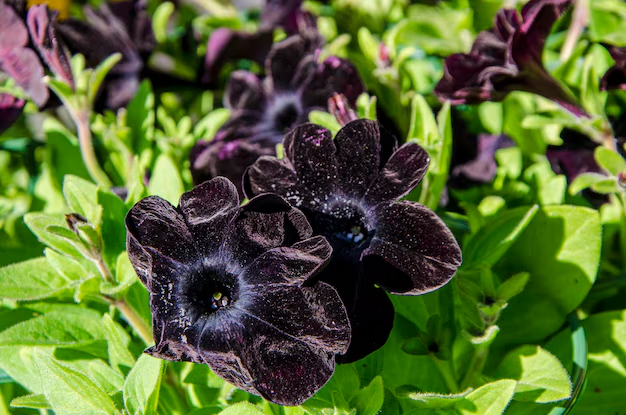
5. Black Petunia (Petunia ‘Black Velvet’)
Perfect for hanging baskets and window boxes, this annual offers velvety black petals that look stunning paired with white or yellow flowers.
Growing tips:
-
Full sun
-
Fertilize every 2–3 weeks
-
Water consistently
6. Bat Flower (Tacca chantrieri)
One of the most unique black flowers, this tropical plant has long whisker-like filaments and a spooky beauty.
Growing tips:
-
Partial shade
-
Humid, well-draining soil
-
Keep away from direct sunlight
7. Black Dahlia (Dahlia ‘Arabian Night’)
This deep maroon dahlia has lush, full blooms perfect for cutting gardens. It’s a showstopper in late summer and fall.
Growing tips:
-
Full sun
-
Fertile, moist soil
-
Deadhead regularly
How to Grow Black Flowers Successfully
Most black flowers thrive in similar conditions to their colorful relatives, but they need care to maintain their deep hues and strong growth.
1. Choose the Right Soil
Black flowers prefer rich, well-draining soil. Mix compost, peat moss, or organic matter before planting. For a full guide on preparing your beds, visit how to prepare garden soil.
2. Plant in Full Sun
To bring out the richness of their color, most varieties need 6–8 hours of sunlight daily. Shade can dull their hues.
3. Water Regularly but Avoid Overwatering
Consistent moisture helps maintain vibrant blooms, but soggy soil can cause root rot. Use mulch to help retain moisture and suppress weeds.
4. Fertilize During Growth Season
Feed your plants with a balanced, slow-release fertilizer every 4–6 weeks during their growing phase. Overfeeding can reduce bloom quality, so follow package directions carefully.
Designing a Garden with Black Flowers
The beauty of black flowers is how well they contrast with other plants. You can design stunning displays by combining textures, shapes, and colors.
Here are some design ideas:
-
Monochrome elegance: Pair black blooms with deep purple, silver, or white flowers like lavender and white roses.
-
Bold contrast: Combine black tulips with yellow daffodils or orange marigolds.
-
Night garden: Mix black calla lilies with moonflowers for a garden that glows under moonlight.
To learn more about pairing and layering plants, explore articles from ProFlowers.
Caring for Black Flowers Year-Round
Even though these plants are hardy, they need seasonal attention to stay vibrant.
-
Spring: Start planting bulbs and seedlings.
-
Summer: Keep soil moist and fertilize regularly.
-
Fall: Deadhead old flowers to promote new growth.
-
Winter: Protect bulbs and roots with mulch or bring containers indoors in colder zones.
For seasonal maintenance, check our detailed post on preparing your garden for winter.
Common Problems
-
Faded Color: Insufficient sunlight or poor soil quality.
-
Pests: Aphids, snails, and slugs love tender new shoots—use organic repellents.
-
Mildew: Avoid overhead watering and ensure good air circulation.
Regular pruning and proper spacing can help prevent most of these problems.
How to Use Black Flowers in Arrangements
Black flowers add drama to floral arrangements, bouquets, and centerpieces. Pair them with ivory roses, pink peonies, or green foliage for balance.
Dahlias, tulips, and calla lilies are especially long-lasting as cut flowers. Keep arrangements cool and change water every two days to extend vase life.
Symbolism and Meaning of Black Flowers
Across cultures, black flowers symbolize power, elegance, mystery, and transformation. They’re often used to mark new beginnings or transitions rather than sorrow.
In modern gardens, they represent boldness—a choice to embrace the unexpected.
Sustainable Gardening Tip
When growing black varieties, opt for organic soil amendments and natural pest control methods. Composting and mulching reduce waste while improving soil health.
For more eco-friendly ideas, visit trusted resources like Gardenia.net and Epic Gardening.
Final Thoughts
Black flowers are not for everyone—but that’s what makes them special. They break garden conventions and bring a sense of mystery and luxury to your landscape.
Whether you plant black tulips in spring or black dahlias in summer, these striking blooms remind us that beauty comes in many shades.
So, if you’re ready to take your garden design up a notch, it’s time to explore the allure of black flowers—bold, elegant, and unforgettable.