Welcome to GardenKT. There is nothing quite like the taste of a sun-warmed blueberry picked straight from the bush. Growing your own blueberry bush is a rewarding project that yields delicious, sweet berries for years to come. While they have specific needs, a blueberry bush is not difficult to grow once you understand the basics. This guide will walk you through every step, from selecting the right plant to enjoying your first homegrown harvest.
Whether you have a large garden or a sunny patio, you can successfully cultivate these fantastic fruits. Let’s explore how you can bring the joy of fresh blueberries to your backyard.
Why Grow a Blueberry Bush?
Before we dig into the details, it’s worth considering why a blueberry bush is such a valuable addition to the garden.
-
Superior Flavor: Homegrown blueberries are far sweeter and more flavorful than most store-bought varieties, which are often picked before they are fully ripe.
-
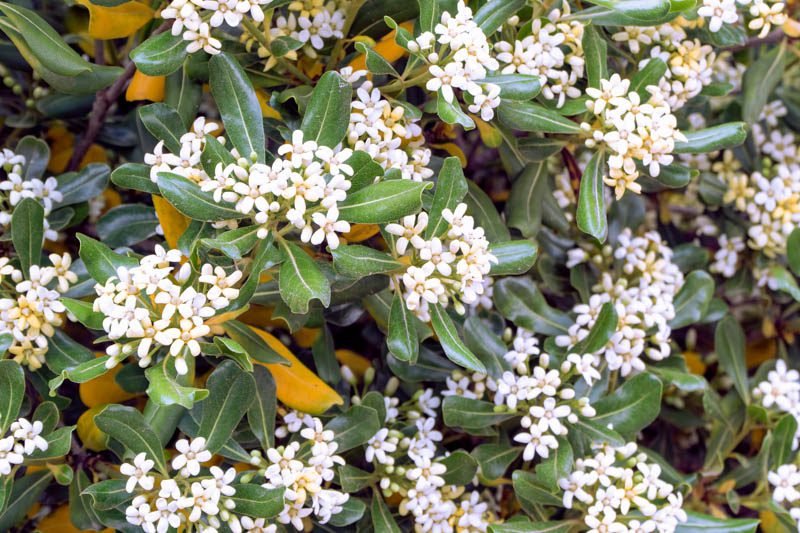
Ornamental Beauty: A blueberry bush is not just for fruit. It offers lovely white, bell-shaped flowers in spring, glossy green leaves in summer, and stunning fiery red foliage in the fall.
-
Health Benefits: Blueberries are packed with antioxidants, vitamins, and fiber, making them a true superfood.
-
Long-Lived Plants: With proper care, a blueberry bush can be productive for 20 years or more, making it a lasting investment in your garden’s future.
Choosing the Right Blueberry Bush
Not all blueberry bushes are the same. Selecting the right type for your climate is the first key to success. They are generally categorized into several groups.
Highbush Blueberries (Vaccinium corymbosum)
This is the most common type for home gardens.
-
Northern Highbush: Best for colder climates (USDA zones 4-7). They require a significant number of chill hours to produce fruit.
-
Southern Highbush: Bred for warmer climates (zones 7-10). They require fewer chill hours and have more heat tolerance.
Lowbush Blueberries (Vaccinium angustifolium)
These are the “wild” blueberries, native to northeastern North America. They are very cold-hardy and spread low to the ground, making them excellent as a groundcover or in containers.
Rabbiteye Blueberries (Vaccinium virgatum)
Ideal for the warm, humid Southeast (zones 7-9). They are drought-tolerant and can grow quite large, but they require at least one other variety for cross-pollination.
When purchasing a plant, look for a healthy, 2 to 3-year-old blueberry bush. This is the ideal age for transplanting and will give you a harvest much sooner than starting from a tiny seedling.
The Secret to Success: Acidic Soil
This is the most critical factor in growing a healthy blueberry bush. Blueberries are acid-loving plants, thriving in soil with a pH between 4.0 and 5.5. If your garden soil is neutral or alkaline, your blueberries will struggle, showing yellow leaves and poor growth.
How to Test and Acidify Your Soil
-
Test Your pH: Start with a simple soil test kit. This will tell you your starting point.
-
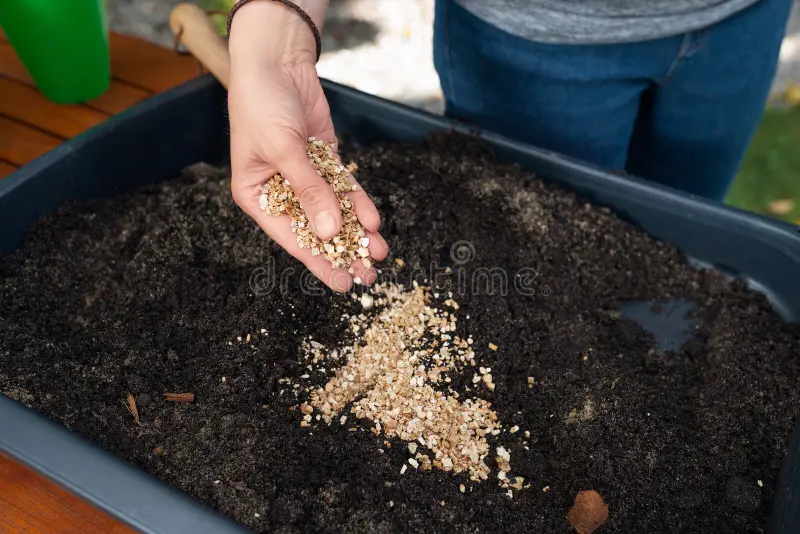
Amend the Soil: To lower the pH, incorporate large amounts of peat moss into the planting hole and surrounding bed. Sulfur is another effective soil acidifier that can be worked into the soil a few months before planting, as recommended by University of Minnesota Extension.
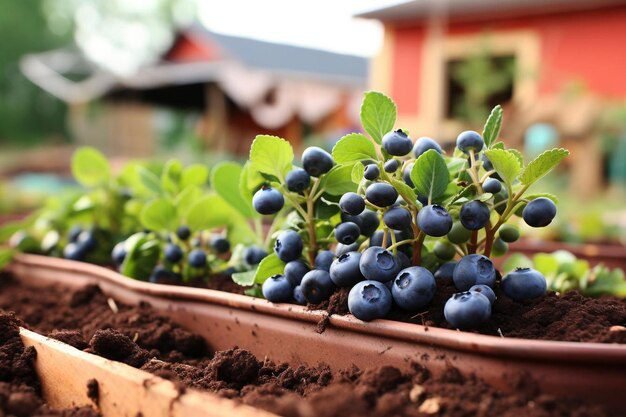
For a foolproof method, many gardeners choose to grow their blueberry bush in containers filled with an acidic potting mix, which gives them complete control over the soil conditions.
How to Plant Your Blueberry Bush
Proper planting sets the stage for a strong and productive plant.
When to Plant
The best time to plant a blueberry bush is in early spring or fall. This gives the roots time to establish before the stress of summer heat or winter cold.
Site Selection
Choose a location that receives full sun for at least six to eight hours a day. More sun means more flowers and a bigger harvest. The site should also have well-draining soil; blueberries will not tolerate “wet feet.”
Step-by-Step Planting Instructions
-
Dig a Wide Hole: Make the hole about twice as wide and just as deep as the root ball.
-
Prepare the Soil Mix: Create a 50/50 mix of the native soil and moist peat moss. You can also add some compost or aged pine bark.
-
Position the Bush: Place the blueberry bush in the hole, ensuring it sits at the same depth it was in its nursery pot.
-
Backfill and Water: Fill the hole with your soil mix, gently firming it down. Water thoroughly to settle the soil and eliminate air pockets.
-
Mulch Heavily: Apply a 2-4 inch layer of acidic mulch, such as pine needles, wood chips, or shredded bark. This conserves moisture, suppresses weeds, and continues to acidify the soil as it breaks down.
Spacing
If planting multiple bushes, space them 4 to 6 feet apart for highbush varieties and 6 to 8 feet apart for rabbiteye types. This ensures good air circulation and room for growth.
Caring for Your Blueberry Bush
Ongoing care is simple but essential for a bountiful harvest.
Watering
Blueberries have shallow root systems and need consistent moisture. Provide 1 to 2 inches of water per week, more during hot, dry spells. Drip irrigation or a soaker hose is ideal, as it keeps the foliage dry and prevents disease.
Fertilizing
Feed your blueberry bush in early spring as new growth begins. Use a fertilizer formulated for acid-loving plants, such as cottonseed meal, a commercial azalea/camellia fertilizer, or one specifically labeled for blueberries. Always follow the package instructions to avoid over-fertilizing.
Pruning
Young bushes need very little pruning for the first 2-3 years. Simply remove any dead, damaged, or weak branches. Once established, annual pruning is vital to encourage new growth, which produces the best fruit.
-
When to Prune: Prune in late winter while the plant is still dormant.
-
How to Prune: Remove any dead wood. Then, thin out the oldest, thickest canes (about 1 in 4) at the base to make room for new, vigorous canes. This practice, detailed by experts at the Royal Horticultural Society, keeps the plant productive.
Harvesting Your Blueberries
The moment you’ve been waiting for! Berries will typically ripen over a period of 2-4 weeks.
-
When to Harvest: Berries are ready about 5-7 days after they turn completely blue. They should detach easily with a gentle tug.
-
How to Harvest: Pick every few days to get the berries at their peak. The flavor is best when they have a slight “bloom” (a dusty white coating) on them.
Growing Blueberry Bushes in Containers
Container gardening is an excellent option if you have limited space or non-acidic soil.
-
Choose the Right Pot: Select a large container that is at least 18 inches in diameter and depth, with good drainage holes.
-
Use the Right Soil: Fill the pot with an acidic potting mix, often labeled for azaleas or rhododendrons. Do not use regular garden soil.
-
Care: Container-grown plants need more frequent watering and feeding. They are also more vulnerable to winter cold, so you may need to protect or move the pot in harsh climates. For more on container gardening, see our guide to growing dwarf fruit trees.
Common Problems and Solutions
Pests: Birds are the biggest pest. Use bird netting to protect your ripening fruit. Other occasional pests include spotted-wing drosophila and blueberry maggots.
Diseases: Fungal issues like powdery mildew or root rot can occur, usually due to poor air circulation or overwatering. Ensure proper spacing and well-draining soil.
Yellow Leaves: This is almost always a sign of incorrect soil pH. Test your soil and amend it to increase acidity.
Conclusion
Growing a blueberry bush is a journey that pays delicious dividends. By providing the right acidic soil, plenty of sun, and consistent care, you can enjoy an abundant harvest of these nutritious berries for decades. The satisfaction of growing your own fruit is immense, and a well-tended blueberry bush is a beautiful and productive centerpiece for any garden. Start your blueberry growing adventure this season—you won’t regret it.