Wlcome to Garden KT. If you are a gardener or a fruit lover looking for something new and exciting, the canary melon is a wonderful discovery. This striking fruit, named for its bright yellow skin that resembles a canary bird, is a hidden gem in the world of melons. While you might be very familiar with cantaloupes and watermelons, the canary melon offers a unique taste and appearance that can diversify your garden and your diet.
This complete guide will walk you through everything you need to know about the canary melon. We will explore what it is, its sweet and juicy flavor, how to select a perfectly ripe one at the store, and most importantly, how you can grow your own from seed. By the end of this article, you will be an expert on this beautiful fruit.
What is a Canary Melon?
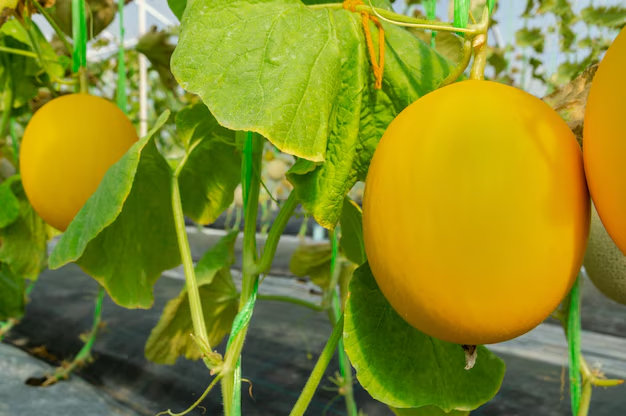
The canary melon, scientifically known as Cucumis melo, is a type of muskmelon. It is easily recognized by its smooth, bright yellow rind. Unlike the netted texture of a cantaloupe, a canary melon’s skin is hard and waxy. The fruit is typically oval or slightly oblong in shape, and it can grow to be quite large, often weighing between 4 and 6 pounds.
Inside, the flesh is a surprise. While the outside is a vibrant yellow, the inside is a pale, creamy greenish-white color. At the center, you will find a hollow cavity filled with seeds, similar to other melons. The name “canary melon” comes directly from its beautiful, sunny exterior.
This melon is also known by other names, such as the Juan Canary melon. It thrives in warm, sunny conditions and needs a long growing season to reach its full, sweet potential.
The Taste and Texture of Canary Melon
So, what does a canary melon taste like? If you have never tried one, you are in for a treat. The flavor is distinctly sweet and mild. Many people describe it as a sweeter, less tangy version of a pear or a honeydew melon. Its sweetness is its most defining characteristic.
The texture of a ripe canary melon is firm yet incredibly juicy. The flesh is crisp but tender, and it melts in your mouth. It is not as soft as a very ripe cantaloupe, providing a pleasant, refreshing crunch. This combination of intense sweetness and juicy texture makes it a incredibly refreshing snack on a hot day.
Nutritional Benefits of Canary Melon
Like many melons, the canary melon is not just delicious; it is also very good for you. It is a low-calorie fruit that is packed with water, making it great for hydration. Here are some of its key nutritional benefits:
-
High in Vitamins A and C: Canary melon is an excellent source of Vitamin A, which is crucial for good vision, a healthy immune system, and cell growth. It is also rich in Vitamin C, a powerful antioxidant that helps protect your cells and supports collagen production for healthy skin.
-
Good Source of Potassium: This mineral is essential for maintaining healthy blood pressure and proper nerve and muscle function.
-
Dietary Fiber: The flesh of the melon provides dietary fiber, which aids in digestion and helps you feel full.
-
Hydration: With its high water content, eating canary melon is a tasty way to stay hydrated, especially during the summer months.
Adding canary melon to your diet is a sweet and healthy choice. For more ideas on what to grow in your health-focused garden, browse our other articles on GardenKT.com.
How to Select a Ripe Canary Melon
Choosing a ripe canary melon at the grocery store or farmers market is simple once you know what to look for. Unlike some fruits, its bright color is not the only indicator of ripeness. Follow these tips:
-
Check the Color: Look for a melon with a vibrant, consistent yellow rind. Avoid any with large green patches, as this indicates it was picked too early. A perfectly ripe canary melon will be a solid, bright yellow.
-
Feel the Texture: The rind should be firm but have a very slight give when you press on the blossom end (the end opposite the stem). If it feels rock hard, it is not yet ripe. If it feels soft or mushy anywhere, it is overripe.
-
Give it a Sniff: A ripe canary melon will have a sweet, slightly fruity aroma, particularly at the blossom end. If you cannot smell anything, it is likely not ready to eat.
-
Check the Weight: A ripe melon should feel heavy for its size. This heaviness is a sign of high water content and juicy flesh.
How to Grow Your Own Canary Melons
For gardeners, growing canary melons can be a rewarding project. There is nothing quite like the satisfaction of harvesting a sweet, sun-ripened melon from your own backyard.
Climate and Growing Season
Canary melons are warm-season crops. They need plenty of sun and warm temperatures to thrive. They perform best in USDA hardiness zones 4 and above, but they really love long, hot summers. The plants require 80 to 90 days to mature from seed to harvest. If you live in a region with a shorter growing season, you can start seeds indoors to get a head start.
Planting Canary Melon Seeds
When to Plant:
Wait until all danger of frost has passed and the soil has warmed up to at least 70°F (21°C). Planting in cold, wet soil can cause the seeds to rot.
Site Selection:
Choose the sunniest spot in your garden. Melons need a minimum of 6 to 8 hours of direct sunlight per day. The soil should be well-draining and rich in organic matter.
How to Plant:
You can plant seeds directly in the garden or start them indoors in biodegradable pots 3-4 weeks before your last frost date.
-
Direct Sowing: Plant seeds 1 inch deep in small mounds or hills. Space the mounds about 3 to 4 feet apart to give the vines plenty of room to spread. Plant 4-5 seeds per mound.
-
Soil Preparation: Work plenty of compost or well-rotted manure into the soil before planting. This will provide nutrients and improve drainage. For more detailed soil preparation tips for different plants, check out our gardening guides on GardenKT.com.
Caring for Your Canary Melon Plants
Watering:
Melons need consistent watering, especially during the flowering and fruit-setting stage. Aim to provide 1 to 2 inches of water per week. Water at the base of the plant to keep the leaves dry and prevent fungal diseases. As the fruits begin to ripen, you can reduce watering slightly to concentrate the sugars and improve flavor.
Fertilizing:
Use a balanced fertilizer when the plants are young. Once flowers appear, switch to a fertilizer lower in nitrogen and higher in phosphorus and potassium to encourage fruit production instead of leafy growth.
Weeding and Mulching:
Keep the area around your plants free of weeds, but be careful not to disturb the shallow roots. Applying a layer of straw or black plastic mulch can help suppress weeds, retain soil moisture, and keep the developing fruits clean and off the damp soil.
Pollination and Fruit Set
Canary melon plants produce both male and female flowers. Bees and other pollinators are essential for transferring pollen from the male flowers to the female flowers. You will know a female flower by the small, immature fruit at its base. If you notice a lack of pollinators in your garden, you can hand-pollinate the flowers using a small paintbrush to ensure a good harvest. For a deeper dive into plant biology and varieties, resources like Johnny’s Selected Seeds offer valuable information.
When and How to Harvest Canary Melons
Knowing when to harvest is the key to enjoying your homegrown canary melons at their peak of flavor.
-
Check the Color: Just like when selecting at the store, the rind should have turned a solid, bright yellow. Any green tinge means it needs more time.
-
The “Slip” Test: Unlike some melons, canary melons do not “slip” from the vine easily. A better test is to look at the stem. A ripe melon will easily detach from the vine with a gentle twist. If you have to pull hard, it is not ready.
-
Aroma: A sweet, fragrant smell at the blossom end is a reliable sign of ripeness.
Use a sharp knife or pruners to cut the stem, leaving about an inch attached to the fruit.
Storing and Using Canary Melon
Once harvested, a ripe canary melon can be stored at room temperature for a few days. For longer storage, keep it in the refrigerator for up to a week. Once cut, wrap the pieces in plastic wrap and refrigerate; they are best eaten within 2-3 days.
Canary melon is incredibly versatile in the kitchen. Here are a few ideas:
-
Fresh: Simply slice it and eat it as is for a refreshing snack.
-
Fruit Salads: Its firm texture holds up well in fruit salads, adding a beautiful color contrast and sweet flavor.
-
Smoothies: Blend the flesh with other fruits and yogurt for a sweet, nutritious smoothie.
-
Prosciutto-Wrapped: For a sophisticated appetizer, wrap thin slices of melon with prosciutto.
-
Sorbet and Desserts: Puree the melon to make a light and flavorful sorbet or use it in fruit tarts.
Common Pests and Problems
Like all garden plants, canary melons can face a few challenges.
-
Aphids: These small insects can be sprayed off with water or controlled with insecticidal soap.
-
Cucumber Beetles: These pests can spread disease. Use row covers when plants are young and hand-pick them off.
-
Powdery Mildew: This fungal disease looks like white powder on the leaves. Ensure good air circulation and use an organic fungicide if needed. Choosing disease-resistant seeds from reputable sources like Victory Seeds can help prevent many issues.
Conclusion: Why You Should Try Canary Melon
The canary melon is a true garden treasure. Its stunning appearance, uniquely sweet and juicy flavor, and relative ease of cultivation make it a fantastic choice for any gardener or food enthusiast. Whether you are buying one from the market to enjoy its fresh taste or embarking on the adventure of growing it yourself, this sunny yellow melon is sure to become a new favorite.
It offers a delightful break from the ordinary and brings a taste of sunshine to your table. So why not seek out some seeds or a ripe fruit and experience the wonderful world of canary melon for yourself? Happy gardening and happy eating