Welcome to GardenKT. Have you ever dreamed of harvesting sun-warmed peaches, crisp apples, or sweet cherries from your own backyard but thought you didn’t have enough room? If so, dwarf fruit trees are the gardening solution you have been searching for. These compact powerhouses bring the joy of fruit growing to even the smallest patios, balconies, and urban gardens.
This complete guide will walk you through everything you need to know about dwarf fruit trees. We will explore what they are, their many benefits, and how you can successfully select, plant, and care for them to enjoy a bountiful harvest for years to come.
What Are Dwarf Fruit Trees?
Dwarf fruit trees are not a different species of tree. Instead, they are standard fruit trees that have been grafted onto a special rootstock that limits their size. The rootstock controls the tree’s ultimate height and spread, while the grafted top part, called the scion, determines the type of fruit you will grow.
A full-sized apple tree might reach 30 feet tall, but a dwarf apple tree will typically grow only 8 to 10 feet tall. This controlled growth makes them perfectly suited for modern, smaller gardens and container growing.
The Benefits of Choosing Dwarf Fruit Trees
Why should you consider a dwarf fruit tree for your garden? The advantages are numerous and compelling.
1. Perfect for Small Spaces
The most obvious benefit is their compact size. You can grow a productive orchard in a space as small as a balcony or a tiny backyard. They can be planted in the ground just a few feet apart or thrive in large containers.
2. Easier Maintenance and Harvesting
Pruning, spraying, and harvesting a 30-foot tree requires ladders and can be dangerous. With a dwarf tree, all your care and the entire harvest is within easy arm’s reach. This makes fruit growing more accessible and enjoyable for everyone.
3. Quicker to Bear Fruit
While a standard fruit tree might take 7 to 10 years to produce its first significant harvest, a dwarf tree often starts bearing fruit in just 2 to 4 years. You will be enjoying your own homegrown produce much sooner.
4. High Yield for Their Size
Don’t let their small stature fool you. Dwarf fruit trees are remarkably productive. With proper care, a single dwarf apple tree can produce a bushel of apples, which is more than enough for a family to enjoy fresh and preserve.
5. Versatility in Landscape Design
You can use dwarf fruit trees as beautiful and functional landscape elements. They can be planted in rows to create a low screen, grown as espaliers against a wall, or simply used as a stunning focal point in a flower bed.
Popular Types of Dwarf Fruit Trees
Almost every common fruit tree is available in a dwarf form. Here are some of the most popular choices for home gardeners:
-
Dwarf Apple Trees: The most popular choice, with hundreds of varieties grafted onto dwarfing rootstocks like M9 or M26.
-
Dwarf Peach and Nectarine Trees: These sun-lovers are perfect for warm, sheltered spots and produce delicious, fuzzy-skinned fruits.
-
Dwarf Cherry Trees: Available in both sweet and sour varieties. Some are even self-fertile, meaning you only need one tree to get fruit.
-
Dwarf Pear Trees: Reliable and productive, pears grafted onto Quince rootstock stay nicely compact.
-
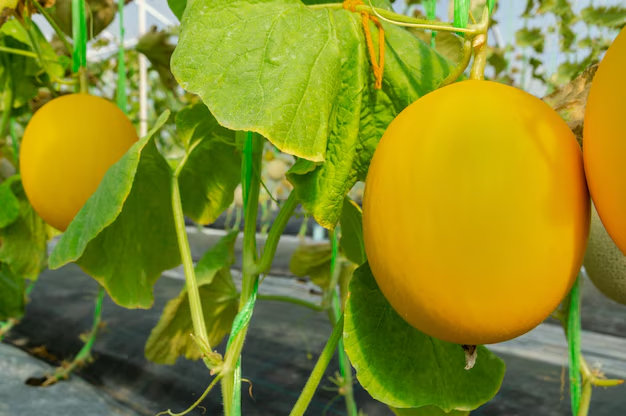
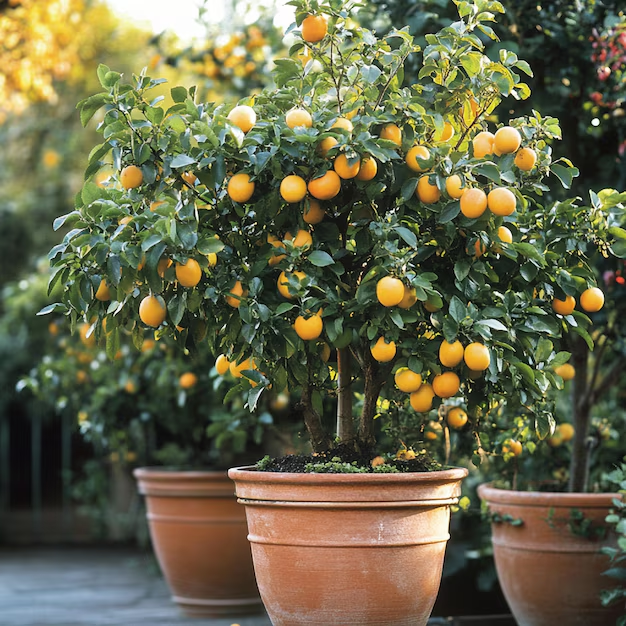
Dwarf Citrus Trees: Lemons, limes, and oranges are naturally well-suited to container life and can be moved indoors in colder climates. For more on growing unique fruits, see our guide to canary melons.
-
Dwarf Plum Trees: European and Japanese plums are available on dwarfing rootstocks, offering a range of flavors and uses.
How to Choose the Right Dwarf Fruit Tree
Selecting the right tree is the first step to success. Consider these factors before you buy.
Your Climate and Hardiness Zone
This is the most important factor. Ensure the tree you choose is rated for your USDA hardiness zone. A peach tree that thrives in Georgia will not survive a Minnesota winter without protection.
Pollination Requirements
Some fruit trees are self-fertile, meaning they can pollinate themselves and produce fruit without a partner. Others require a second, different variety of the same fruit tree planted nearby for cross-pollination. Check the tree’s label or ask the nursery about its pollination needs. Reputable sellers like Stark Bro’s provide detailed pollination guides.
Chill Hours
Many fruit trees, especially apples, peaches, and cherries, require a certain number of “chill hours” each winter. This means they need a period of cold temperatures below 45°F to break dormancy and set fruit properly. Choose a tree whose chill hour requirement matches the typical winter conditions in your area.
The Rootstock
The rootstock does more than just control size. Some rootstocks are more disease-resistant, while others are better suited for heavy clay soil or sandy soil. If you have specific soil challenges, research which rootstocks perform best in those conditions.
How to Plant Your Dwarf Fruit Tree
Proper planting gives your tree the best possible start in life.
Planting in the Ground
-
Timing: The best time to plant is in late winter or early spring while the tree is still dormant. Fall planting can also be successful in milder climates.
-
Location: Choose a spot that receives at least 6 to 8 hours of direct sunlight each day. Ensure the site has well-draining soil.
-
Dig the Hole: Dig a hole that is twice as wide as the root ball and just as deep. This loosens the soil around the roots, making it easier for them to expand.
-
Position the Tree: Place the tree in the hole, ensuring the graft union the visible bump where the scion meets the rootstock is at least 2 to 3 inches above the soil line. Burying the graft union can cause the top part to root, negating the dwarfing effect.
-
Backfill and Water: Backfill the hole with the native soil, gently tamping it down to remove air pockets. Water deeply to settle the soil around the roots.
Planting in a Container
Container growing is an excellent option for those with very limited space or poor soil.
-
Choose the Right Pot: Select a large container with excellent drainage holes. A 15 to 20-gallon pot is a good starting size for a young dwarf tree.
-
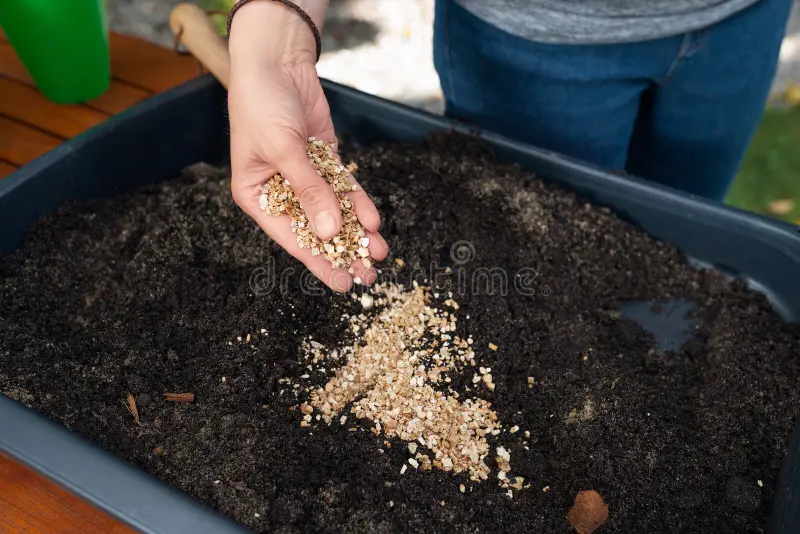
Use Quality Potting Mix: Do not use garden soil, as it compacts in containers. Use a high-quality potting mix designed for trees and shrubs.
-
Planting: Follow the same principles as in-ground planting, keeping the graft union well above the soil line. Ensure the tree is stable in the pot.
Caring for Your Dwarf Fruit Tree
While low-maintenance, dwarf fruit trees do require consistent care to thrive and produce.
Watering
Young trees need consistent moisture. Water deeply once or twice a week, allowing the soil to dry out slightly between waterings. Container trees will need watering more frequently, sometimes daily during hot, dry weather. Established trees are more drought-tolerant but will produce better fruit with regular watering.
Fertilizing
Feed your tree in early spring with a balanced, slow-release fertilizer. Avoid over-fertilizing with high-nitrogen fertilizers, as this can promote leafy growth at the expense of fruit. For more general gardening tips, explore our other articles on GardenKT.com.
Pruning
Pruning is essential for maintaining the tree’s shape, allowing light into the canopy, and encouraging fruit production.
-
When to Prune: The best time for major pruning is in late winter while the tree is still dormant.
-
How to Prune: The goal is to create an open center or a modified central leader shape, which allows sunlight to reach all branches. Remove any dead, diseased, or crossing branches. Also, thin out some of the smaller branches to improve air circulation.
Thinning the Fruit
In early summer, your tree may set more fruit than it can support. Thinning the fruit when they are about the size of a marble is a crucial step. Remove the smallest or damaged fruits, leaving about 6 to 8 inches between each remaining fruit. This results in larger, sweeter, and healthier fruit and prevents branches from breaking under the weight.
Winter Protection
For trees in containers, the roots are more vulnerable to freezing temperatures. In cold climates, move potted trees to an unheated garage, shed, or against a sheltered wall. You can also wrap the pot in bubble wrap or burlap for insulation.
Common Pests and Diseases
Keep an eye out for common fruit tree issues like aphids, codling moths, and fungal diseases such as powdery mildew or apple scab. The best defense is a healthy tree. Encourage beneficial insects, clean up fallen leaves and fruit in the autumn, and consider using organic horticultural oils or insecticidal soaps if problems arise. The Royal Horticultural Society offers excellent advice on organic pest control.
Conclusion: Start Your Mini Orchard Today
Dwarf fruit trees are a revolutionary tool for the modern gardener. They break down the barriers of space and time, making the dream of homegrown fruit a reality for nearly everyone. Their manageable size, quick production, and high yields offer an incredible return on a small investment of space and effort.
Whether you plant one in a container on your patio or create a mini-orchard in your backyard, a dwarf fruit tree is a gift that keeps on giving for years. So, what are you waiting for? Your journey to fresh-picked fruit starts now.