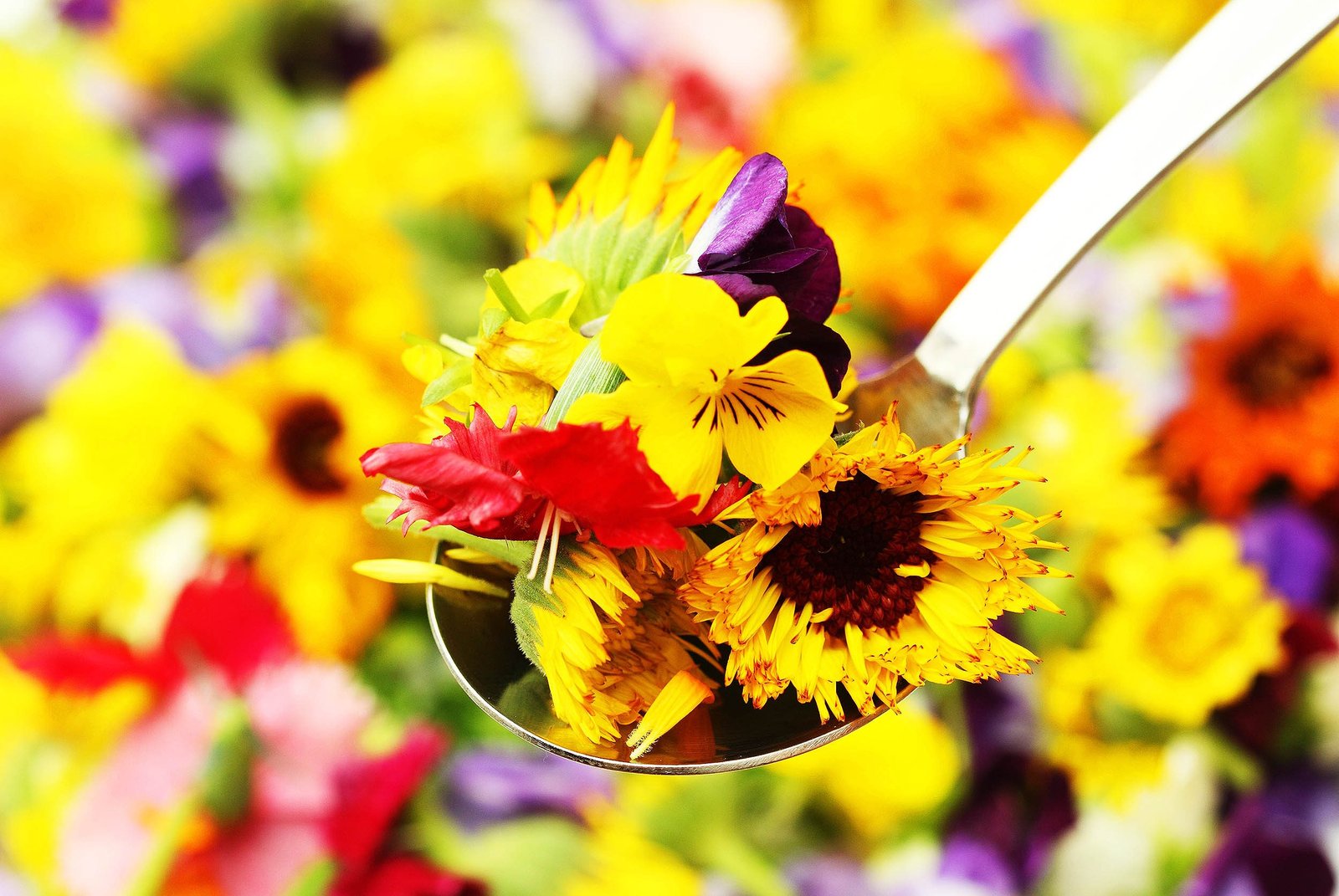
If you’ve ever wondered how to add beauty, flavour and an extra layer of excitement to your salads, desserts or garden beds, let’s talk about edible flowers. On GardenKT, we focus on making gardening simple, sustainable and fun. In this long, easy-to-read article you’ll learn what edible flowers are, how to grow and care for them, how to harvest and use them, safety considerations, and creative ways to enjoy them.
What are edible flowers and why grow them?
“Edible flowers” means blossoms (and in some cases buds or petals) from plants that are safe to consume and add colour, texture or flavour to dishes.
Here’s why they’re worth growing:
-
They bring extra colour and elegance to the garden and to the plate. For example, the Tropaeolum majus (nasturtium) has peppery-tasting flowers that brighten salads and gardens alike.
-
They help attract pollinators and support beneficial insects in the garden.
-
Having edible flowers at hand means fresh garnishes, creative meals, homemade teas, infused syrups and more.
-
Growing them yourself means you control the chemicals used, soil, and harvest conditions—important when you’re going to eat the blooms.
In my own garden I planted a row of calendula and nasturtium beside my herb bed. I love grabbing a few petals to toss into a lunchtime salad—and watching the bees dance around the flowers is a bonus.
Choosing the right edible flower plants
Not every flower is edible. Some common garden bloomed plants are actually toxic to humans. It’s crucial to pick plants that are confirmed edible, grown without harmful sprays, and used appropriately. BBC Gardeners World Magazine+1
What to look for
-
Safe species: Consult trusted sources (for instance the Royal Horticultural Society lists many edible flowers and gives guidance). rhs.org.uk
-
No chemical treatments: If you’re buying ready plants, make sure they are labelled safe for consumption or better yet, grow your own from seed.
-
Site conditions: Many edible flowers thrive in full sun or mostly sunny locations with well-drained soil.
-
Flavour and purpose: Some flowers are mild and decorative; others have strong flavours (peppery, citrusy, herb-like). Choose what suits your taste and purpose.
Good edible flowers options
Here are some beginner-friendly choices:
-
Nasturtium – peppery and colourful.
-
Calendula (pot marigold) – bright petals, mild flavour.
-
Chamomile – apple-honey flavour, makes tea.
-
Chive flowers – mild onion taste, good for savoury dishes.
-
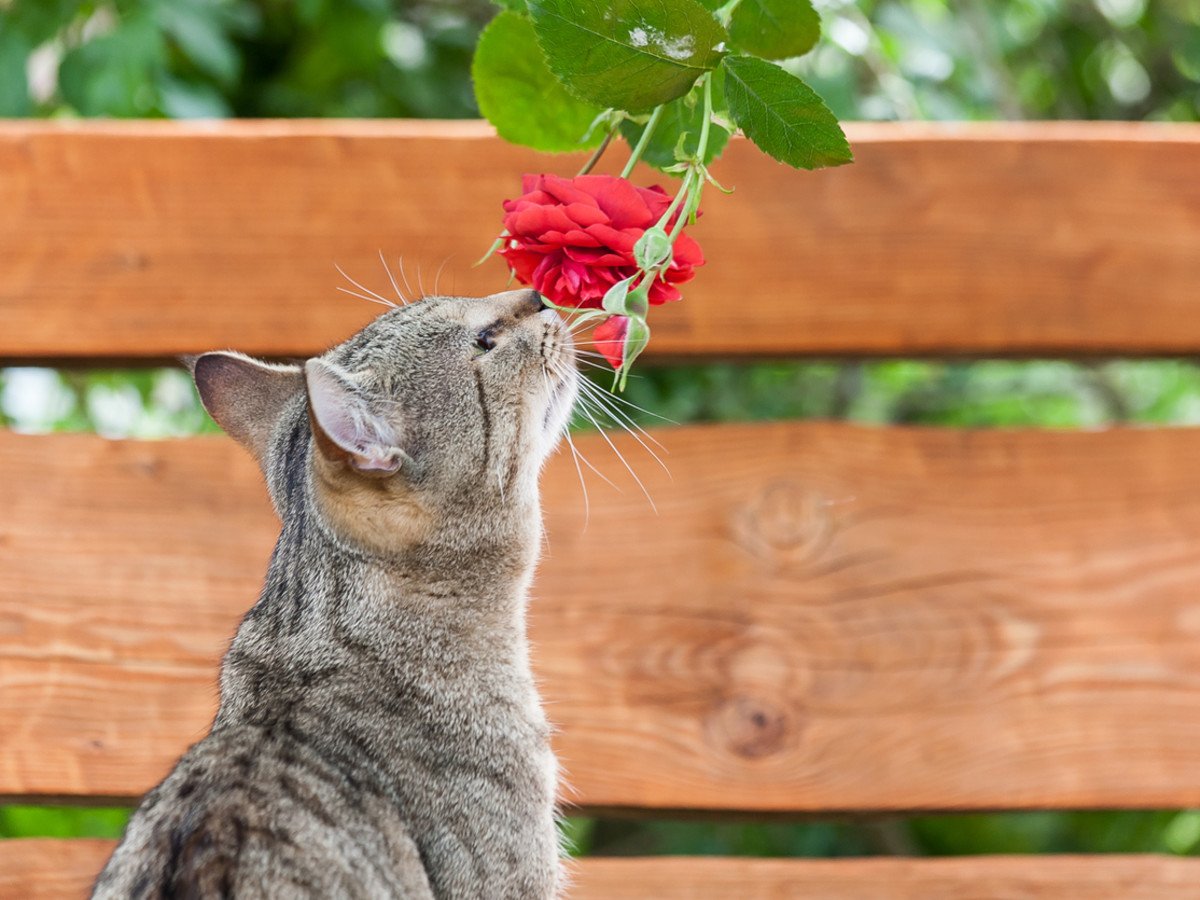
Rose petals – floral, fragrant, especially good for desserts or infusions.
These are all covered in multiple guides and make excellent first choices.
How to grow edible flowers successfully
Growing edible flowers is very similar to growing other garden plants—but with some extra considerations given they’ll be eaten.
Site and soil
-
Choose a location with 6-8 hours of sun (many edible flowers thrive with this amount).
-
Use well-drained soil; amend heavy soils with organic matter to improve drainage and fertility.
-
Since you’ll eat the blooms, avoid areas exposed to pets, herbicides, road spray, or heavy pollution.
Planting schedule
-
Many edible flowers are annuals and can be sown from seed in spring after frost risk.
-
In warmer climates or for perennials, you may plant in early spring or autumn depending on species.
-
Containers and raised beds work well—especially if you have limited space.
Care and maintenance
-
Water regularly: Many edible flowers like consistent moisture, but not soggy soil. Mulching helps retain moisture and keeps soil cool.
-
Dead-head spent blooms to encourage more flowering and a longer season. This helps you harvest more.
-
Avoid using strong fertilisers just before harvest; more foliage may mean fewer blooms or more watery flowers.
-
Monitor for pests and diseases: Since these are edible, you’ll want to avoid heavy chemicals; hand-picking pests or using gentle solutions is preferred.
Harvesting and prepping
-
Harvest flowers in the morning, when they’re fresh and before the heat of the day.
-
Only pick flowers that are pesticide-free and safe for consumption.
-
Many guides stress: “If in doubt, don’t eat it.”
-
Use or store quickly: Some flowers are best used fresh, others may be dried or frozen.
In my patio garden I keep a small pot of nasturtium that I harvest just-before lunch. I rinse the flowers, pat dry, and toss a few petals into the salad. It’s simple and makes a big visual difference.
Creative ways to use edible flowers
Once you’ve grown and harvested your blooms, the fun begins. Here are ideas to make the most of your edible flowers:
Salads, garnishes and fresh uses
Add brightly-coloured petals (like calendula or pansies) to green salads. Use chive flowers to sprinkle colour and mild onion flavour over eggs or potatoes. Use rose petals in fruit salads.
Infusions, teas and syrups
Chamomile, lavender or rose can be steeped for tea or used in syrups for desserts. Forks Over Knives
Cooking, baking and desserts
Try stuffing squash blossoms (male flower of zucchini) with cheese and lightly frying. Use edible flowers to decorate cakes or freeze in ice cubes for elegant drinks.
Preserving and storage
Some petals can be dried for future use; store in airtight containers. Use flowers in vinegar or butter infusions for flavour and colour. rhs.org.uk+1
When I made a lemon-lavender syrup for iced tea last summer, I used a handful of lavender blossoms I’d grown myself. Guests commented on the floral scent—and I loved knowing I’d planted them myself.
Safety, pitfalls and best practices
Growing for eating comes with extra caution. Here’s what to keep in mind:
-
Only use flowers you’re sure are edible — many ornamental flowers are not safe for eating.
-
Avoid flowers treated with pesticides, florists’ sprays or cut-flower batching chemicals. Use plants you’ve grown or ones that clearly state “culinary-grade”.
-
Some flowers have parts that are edible and parts that are not (for instance, you might only eat petals, not stamens or other components). Start with small quantities when trying a new edible flower—some people may have sensitivities.
-
Be mindful of the flavour: some flowers are strong (peppery, bitter). Use taste-mindfully rather than flooding salads with heavy floral flavour.
Incorporating edible flowers in your garden design
Here are design ideas you can share with your readers to make the use of edible flowers more integrated into their gardening:
-
Border or edge planting: Line vegetable beds with nasturtium or calendula to serve both as companion plants and edible flowers.
-
Container-friendly: If you have a patio or balcony, grow edible flowers in pots alongside herbs. Easy access for picking!
-
Using as a garnish station: In your kitchen garden, designate a small ‘garnish’ pot or basket: pick fresh flowers when making salads or desserts.
-
Season-extending mix: Combine annual edible flowers (for quick bloom) with perennial edible-flower plants for long-term interest.
-
Kids’ garden fun: Edible flowers are engaging for children—they can pick, smell, and taste. The RHS notes the educational benefit of growing edible flowers with kids. rhs.org.uk
At GardenKT, you might link this article to other content such as “Vegetable Garden Companion Planting” or “Small Space Container Gardening” for readers who want to expand beyond flowers.