Welcome to GardenKT. A sudden frost warning can send a shiver down any gardener’s spine. The threat of freezing temperatures can wipe out months of hard work in a single night. While old sheets and tarps might be a first instinct for protection, they often cause more harm than good. This is where a dedicated frost cloth material becomes an essential tool in every gardener’s shed. This specialized fabric is designed specifically to shield your plants from cold damage, and understanding how to use it effectively can save your precious plants.
This comprehensive guide will explain everything you need to know about using garden frost protection. We will explore what it is, how it works, the different types available, and a step-by-step guide on how to use it correctly to create a warm microclimate for your garden.
What is Frost Cloth?
Frost cloth material, also known as frost blanket, frost fabric, or row cover, is a lightweight, breathable, and woven or non-woven fabric made from polypropylene or other synthetic polymers. It is specifically engineered for use in the garden to protect plants from cold, frost, and wind.
Unlike plastic tarps or vinyl, which can trap moisture and suffocate plants, this garden fabric is designed to be porous. This key characteristic allows light and water to reach the plants while creating an insulating layer of still air above the foliage. Think of it as putting a warm, breathable blanket over your garden beds.
How Does Plant Frost Protection Work?
The science behind this method is simple but effective. It does not generate heat itself. Instead, it works by harnessing the heat already present in your garden.
During the day, the sun warms the soil. As night falls and temperatures drop, this stored soil heat begins to radiate back into the atmosphere. A frost cloth material acts as a barrier, trapping this radiant heat close to the ground. It creates a small, insulated “greenhouse” effect around your plants, raising the temperature beneath the cloth by several critical degrees.
This trapped layer of air is the real insulator. By preventing this pocket of warmer air from escaping and blocking the drying effects of wind, the protective fabric can often provide between 2 to 8 degrees Fahrenheit of protection. This small difference is often all it takes to prevent frost from forming on leaf surfaces and damaging plant cells.
Frost Cloth vs. Common Alternatives
Many gardeners resort to household items in a panic. Here is why specialized garden fabric is a superior choice.
Frost Cloth vs. Plastic Tarps:
Plastic is not breathable. It will trap all moisture from the soil, leading to condensation that freezes on the underside of the plastic, directly harming the plant leaves it touches. It also completely blocks air, which can suffocate plants. Breathable frost cloth material prevents both of these issues.
Frost Cloth vs. Old Bed Sheets:
While a better option than plastic, bedsheets are made of cotton, which absorbs moisture. When wet, sheets become heavy and can crush delicate plants. The wet fabric can also freeze and transfer that cold directly to the plant. Professional grade frost fabric is water-resistant and lightweight, even when damp.
Frost Cloth vs. Mulch:
Mulch is excellent for insulating plant roots, but it does nothing to protect the foliage, flowers, or fruit of tender plants. A frost blanket protects the entire plant from above.
Types of Frost Protection Fabric: Understanding Weight and Protection
Not all frost cloth is created equal. They are typically categorized by weight, measured in grams per square meter (gsm), which correlates directly to the level of cold protection offered.
Lightweight Frost Cloth (0.5 oz/sq yd or ~17 gsm):
This is the most common type, often used as a floating row cover for season extension and pest protection.
-
Protection: Offers about 2-4°F of frost protection.
-
Best For: Protecting cool-season crops like lettuce and spinach from a light frost, extending the growing season in spring and fall, and excluding insects.
-
Light Transmission: Allows about 85% of sunlight through.
Medium-Weight Frost Cloth (0.9 oz/sq yd or ~30 gsm):
This is the workhorse for most home gardeners facing typical frosts.
-
Protection: Offers about 4-6°F of frost protection.
-
Best For: Protecting tender vegetables like tomatoes and peppers, as well as most flowering annuals and newly planted perennials. It provides a good balance of protection and light transmission.
Heavy-Weight Frost Cloth (1.5 oz/sq yd or ~50 gsm):
This is the heavyweight champion for serious cold.
-
Protection: Offers 6-8°F or more of frost protection.
-
Best For: Protecting semi-hardy trees, shrubs, and valuable tender plants during a hard freeze. It is less common for vegetable gardens but invaluable in colder climates.
For protecting other garden investments, like young trees, the principles you learn from using plant covers can be applied alongside other strategies, such as those for caring for dwarf fruit trees.
When to Use Frost Protection in Your Garden
Timing is everything when it comes to protecting your plants. Do not wait until you see frost to act.
Unexpected Spring or Fall Frosts: This is the most common use. When the forecast calls for a clear, calm night with temperatures at or below 36°F, it is time to deploy your frost blankets.
Protecting Tender Transplants: Young plants that were started indoors are especially vulnerable. Use a lightweight cloth to help them acclimate to cooler outdoor temperatures.
Season Extension: In the fall, use row covers over your garden beds to protect crops from light frosts, allowing you to harvest fresh vegetables like kale and carrots for weeks longer. In the spring, it can help warm the soil and protect early plantings.
Winter Protection for Perennials: In marginally hardy zones, covering certain perennials or shrubs with a heavy-weight cloth on the coldest nights can prevent winter die-back.
How to Use Frost Cloth: A Step-by-Step Guide
Using garden frost protection correctly is just as important as having it. Improper installation can reduce its effectiveness.
Step 1: Prepare Your Plants
Water the soil around your plants lightly in the late afternoon. Moist soil holds heat better than dry soil, which will enhance the warming effect under the cloth.
Step 2: Drape the Cloth Over Plants
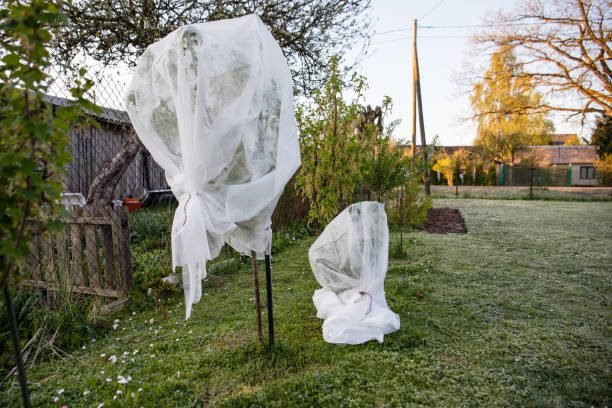
Loosely drape the frost fabric over your plants, allowing it to reach all the way down to the soil line on all sides. The goal is to create a tent of air. Avoid pulling the cloth tightly over the plants, as this reduces the insulating air pocket and can cause the cloth to touch the foliage, transferring cold.
Step 3: Secure the Edges
This is a critical step. Secure the entire bottom edge of the cloth to the ground to trap the radiant heat. You can use landscape fabric pins, rocks, bricks, or simply bury the edges with a little soil. The seal does not need to be perfect, but it should be continuous to prevent warm air from escaping. For more detailed guidance on garden projects, explore our other articles on GardenKT.com.
Step 4: Remove the Cover
The next morning, once the air temperature has risen above freezing, remove the cloth. This allows the soil to absorb the sun’s heat again. If you are using the cloth for multi-day frost protection, you can leave it on, but it is best to remove it during sunny days to prevent overheating.
Alt Text: Securing the edge of a plant frost blanket with a landscape pin.
Advanced Tips and Techniques
Building a Support Structure:
For taller plants or to prevent the cloth from touching foliage, create a simple frame using PVC pipes, tomato cages, or garden hoops. Drape the frost protection fabric over the structure. This is especially effective for rows of vegetables.
Layering for Extreme Cold:
In the event of a severe freeze, you can use a double layer of fabric. Ensure there is a small air gap between the two layers for maximum insulation. A medium-weight cloth over a lightweight one is very effective.
Combining with Other Heat Sources:
For potted plants on a patio, you can combine a frost blanket with a simple outdoor-rated incandescent light bulb placed under the cover. The bulb will provide a small amount of direct heat, boosting the protection significantly. Always prioritize safety with electrical items outdoors.
For more detailed scientific insights on how frost forms and affects plants, university extensions like the University of Florida IFAS provide an excellent, research-based article on the topic.
Common Mistakes to Avoid
-
Using Plastic: As discussed, this can be more damaging than no cover at all.
-
Tying the Cloth Around the Trunk: Never wrap or tie frost fabric tightly around the base of a tree or shrub. This can damage the bark and create a haven for pests.
-
Leaving the Cover On During Sunny Days: If the sun is out and temperatures are above freezing, remove the cloth. The trapped space can quickly become an oven, cooking your plants.
-
Only Covering the Top: Remember, heat rises from the soil. If the edges are not secured, the heat escapes, and the cover becomes almost useless.
Choosing and Caring for Your Frost Cloth
When purchasing frost protection, look for UV-stabilized fabric, which will last for several seasons. It is typically white, which reflects sunlight and prevents overheating. The Old Farmer’s Almanac is another trusted resource for understanding frost dates and garden protection.
Care Instructions:
At the end of the season, shake off any dirt and allow the cloth to dry completely before folding and storing it in a cool, dry place. This will prevent mildew and extend its life. With proper care, a good quality garden frost blanket can last 3-5 seasons.
Conclusion: An Essential Tool for Every Gardener
Frost cloth material is a simple, inexpensive, and highly effective insurance policy for your garden. By understanding what it is, how it works, and the correct way to use it, you can confidently face frost warnings and extend your gardening season by weeks. It empowers you to protect your seedlings in the spring, safeguard your harvest in the fall, and overwinter tender plants with greater success. Do not let the fear of frost limit your garden’s potential. Invest in quality plant protection fabric and garden with peace of mind.