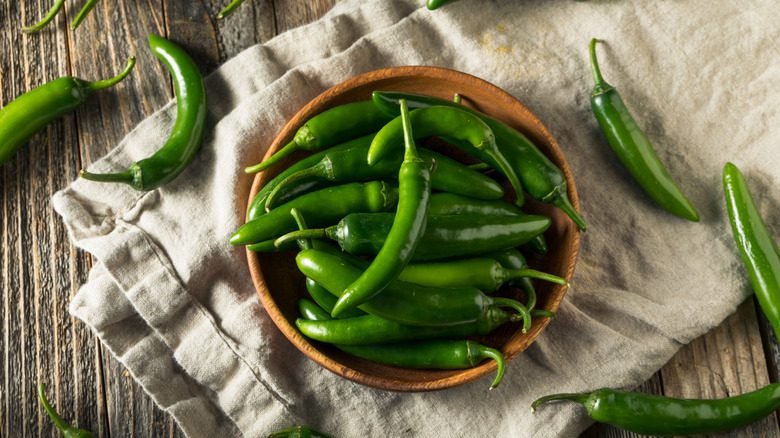
Welcome to GardenKT. If you enjoy a good kick of heat in your food but find some peppers overwhelming, the serrano pepper might be your perfect match. This versatile chili is a staple in many cuisines, prized for its bright, crisp flavor and manageable heat level that adds depth without overpowering a dish. For gardeners, the serrano pepper plant is a productive and rewarding choice, yielding a generous harvest from a compact plant.
This comprehensive guide will walk you through everything you need to know about the serrano pepper. We will explore its characteristics, how to grow it from seed to harvest, and the many delicious ways you can use it in your kitchen.
What is a Serrano Pepper?
The serrano pepper is a type of chili pepper that originates from the mountainous regions of the Mexican states of Puebla and Hidalgo. Its name comes from the Spanish word “sierra,” meaning mountains. It is a member of the Capsicum annuum species, which also includes bell peppers, jalapeños, and cayenne peppers.
Serrano peppers are typically 1 to 4 inches long, about the width of your finger, and taper to a point. They start out green and will eventually ripen to a vibrant red, though they can also be found in orange, yellow, and brown varieties. The red stage offers a slightly sweeter, fruitier flavor compared to the brighter, sharper taste of the green pepper.
Serrano Pepper Scoville Heat Level
One of the first questions about any chili pepper is: how hot is it? The heat of peppers is measured in Scoville Heat Units (SHU).
-
Jalapeño Pepper: 2,500 to 8,000 SHU
-
Serrano Pepper: 10,000 to 25,000 SHU
-
Habanero Pepper: 100,000 to 350,000 SHU
As you can see, the serrano pepper is consistently hotter than a jalapeño but significantly milder than a habanero. This places it firmly in the low to medium heat category, making it approachable for those who are building a tolerance to spicy food. The heat can vary between individual peppers, and generally, the red, fully ripe ones are a bit hotter than the green ones.
How to Grow Serrano Peppers
Growing your own serrano pepper plants is a fantastic way to ensure a fresh supply. They are well-suited for both in-ground gardens and container gardening.
Starting from Seed Indoors
In most climates, you will need to start your serrano pepper seeds indoors to give them a long enough growing season.
-
When to Plant: Start seeds 8 to 10 weeks before your last expected spring frost date.
-
How to Plant: Plant seeds about 1/4 inch deep in a seed-starting tray filled with a light, well-draining potting mix.
-
Germination: Keep the soil consistently warm (75-85°F) and moist. A heat mat can be very helpful. Seeds should germinate in 1 to 3 weeks.
-
Lighting: Once seedlings emerge, they need plenty of light—12-16 hours per day—to prevent them from becoming leggy. A sunny south-facing window or a grow light is ideal.
Transplanting and Site Selection
Once all danger of frost has passed and nighttime temperatures are consistently above 50°F, your seedlings are ready to be hardened off and transplanted.
-
Hardening Off: This is a crucial step. Over 7-10 days, gradually expose your seedlings to outdoor conditions by placing them outside in a sheltered spot for a few more hours each day.
-
Choosing a Spot: Serrano peppers need full sun, meaning at least 6 to 8 hours of direct sunlight daily. The more sun, the better the harvest.
-
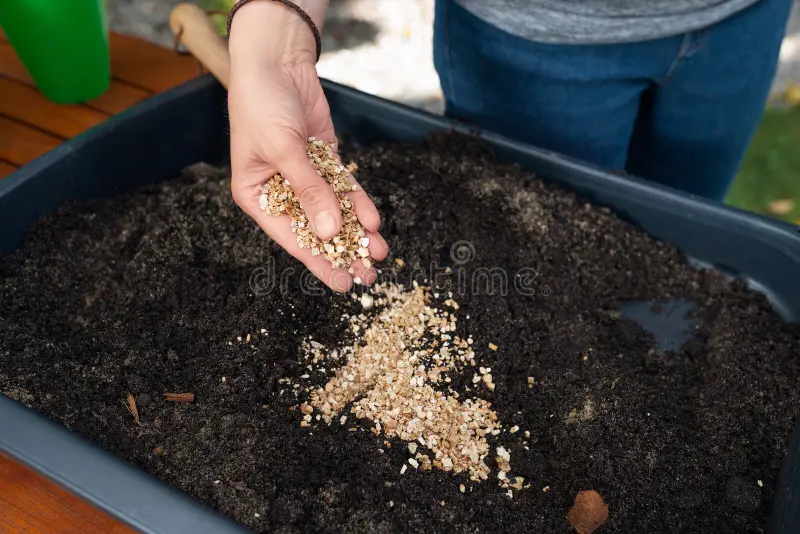
Soil: They prefer rich, well-draining soil with a pH between 6.0 and 7.0. Work plenty of compost into the planting area before transplanting.
-
Spacing: Space plants 18 to 24 inches apart in the garden. If growing in containers, choose a pot that is at least 12 inches in diameter.
Caring for Your Serrano Pepper Plants
With the right care, your plants will be heavy with fruit all season long.
Watering: Keep the soil consistently moist but never waterlogged. Peppers do not like to dry out completely, but overwatering can lead to root rot. A deep watering once the top inch of soil feels dry is a good rule. Using a soaker hose or drip irrigation at the base of the plant is an excellent way to water without wetting the leaves, which can help prevent disease. For more watering tips for different plants, explore our other guides on GardenKT.com.
Fertilizing: Peppers are moderate feeders. At the time of planting, mix a balanced, slow-release fertilizer into the soil. When the plants begin to flower, you can switch to a fertilizer lower in nitrogen and higher in phosphorus to encourage fruit set.
Mulching: Apply a 2-3 inch layer of organic mulch, like straw or shredded leaves, around the base of your plants. This helps conserve moisture, suppress weeds, and keep the soil temperature even.
Support: While not always necessary, a small cage or stake can be helpful to support the plant when it is heavy with fruit, preventing branches from breaking.
Common Pests and Problems
Serrano peppers are relatively trouble-free, but keep an eye out for a few common issues:
-
Aphids: These small, soft-bodied insects can be sprayed off with a strong stream of water or treated with insecticidal soap.
-
Blossom End Rot: This appears as a dark, sunken spot on the bottom of the fruit. It is caused by a calcium deficiency, often linked to inconsistent watering. Maintaining even soil moisture is the best prevention.
-
Pepper Weevils: These pests can cause flowers and young fruit to drop. If you suspect them, remove and destroy affected fruit. For serious organic gardening advice, resources like the University-based Gardening Know How can be very useful.
Harvesting and Storing Serrano Peppers
When to Harvest: You can harvest serrano peppers at any stage. The green peppers are ready when they are firm and have reached their full size. If you prefer a sweeter, hotter pepper, allow them to ripen fully to red on the plant. Always use scissors or a sharp knife to cut the pepper from the plant, as pulling can damage the branches.
How to Store:
-
Short-Term: Fresh peppers will keep in the refrigerator’s crisper drawer for 1 to 2 weeks.
-
Long-Term: Serranos are excellent for freezing, drying, or pickling. To freeze, simply wash, dry, and place them whole in a freezer bag.
Alt Text: A bountiful harvest of green and red serrano peppers in a wooden bowl.
How to Use Serrano Peppers in Cooking
The bright, grassy heat of the serrano pepper makes it incredibly versatile in the kitchen. Always remember that the highest concentration of capsaicin (the compound that creates heat) is in the white pith and seeds inside. For a milder flavor, you can scrape these out before using the pepper.
1. Salsas and Pico de Gallo
Serranos are a classic ingredient in fresh salsas, providing a sharper, more distinct heat than jalapeños. They are essential for a truly authentic salsa verde.
2. Pickled Serrano Peppers
Pickling is a fantastic way to preserve your harvest and create a delicious condiment. A simple brine of vinegar, water, salt, and sugar poured over sliced serranos creates a tangy, spicy topping for tacos, sandwiches, and more. For a detailed recipe, many cooking sites like Love and Lemons offer great guides.
3. Hot Sauces and Infused Oils
Blend fresh or fermented serranos with vinegar, garlic, and other spices to create a vibrant homemade hot sauce. You can also gently heat serranos in oil to create a spicy infused oil for drizzling.
4. In Soups, Stews, and Marinades
Dice serranos finely and add them to soups, chili, or curries for a layer of heat. They also make a wonderful addition to marinades for meat, fish, or tofu.
5. As a Garnish
Thinly sliced raw serrano peppers make a beautiful and flavorful garnish for everything from pizza and pasta to ceviche and Bloody Marys.
Conclusion: A Rewarding Pepper for Garden and Kitchen
The serrano pepper is a true gem. It offers the home gardener a reliable and productive plant that is relatively easy to care for. For the cook, it provides a manageable heat and a fresh, crisp flavor that can elevate countless dishes. Whether you are a seasoned chili-head or just beginning to explore the world of spicy food, the serrano pepper is a fascinating and alluring ingredient that deserves a spot in your garden and your kitchen.