If you’ve been looking for a low-fuss, high-impact perennial to fill those shady spots in your garden, the hosta plant is a top contender. Known for its lush leaves, easy care and versatility, hostas can transform ground cover, container gardens or woodland borders into eye-catching displays. This guide will walk you through everything from selecting the right spot to dividing your plants, including stories, pro tips and eco-friendly practices.
1. Why Choose a Hosta Plant?
When I planted my first hosta plant years ago under a mature oak tree, I expected something modest—but what I got was a broad mound of bold, glossy leaves that simply glowed in the shade. Over time I added different sizes and leaf colours, and now that shady bank has become a feature.
Here’s why the hosta plant is a standout:
- It thrives in shade or part-shade where many flowering perennials struggle.
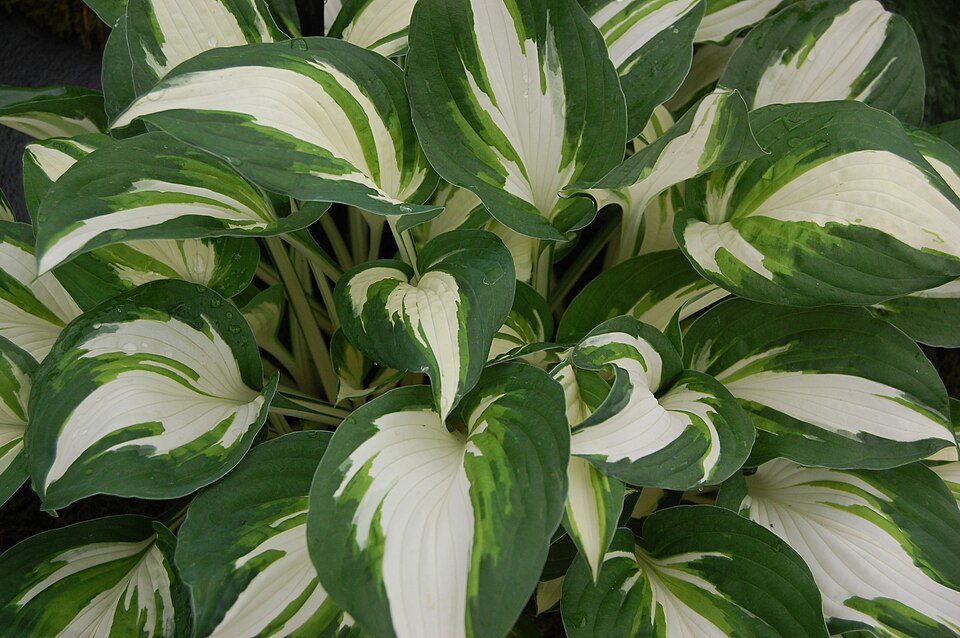
- There are hundreds, even thousands of varieties in different foliage colours (greens, blues, chartreuse, variegated) and textures.
- It’s long-lived and returns reliably year after year in many climates (hardy in USDA zones 3–9 according to some sources).
- Once established, it needs only regular watering, a little feeding and occasional division.
For gardeners wanting a reliable, decorative plant that handles shade, the hosta plant is a fantastic choice.
2. Understanding the Hosta Plant Basics
Before you plant, it helps to know what you’re dealing with.
What is a hosta plant?
- Botanically, the hosta plant belongs to the genus Hosta (sometimes called plantain lilies) and is native to northeast Asia (China, Korea, Japan).
- It is a herbaceous perennial growing from rhizomes (underground stems) that produce a mound of leaves; in summer it sends up flower stalks above the foliage.
- Leaves vary widely in size, shape and colour. Some cultivars are dwarf (just a few inches tall) while others reach several feet in width.
What makes it so valued?
- The foliage stays attractive regardless of bloom—many gardeners grow hostas primarily for leaves.
- It fills shady areas beautifully and hides bare soil or tree roots with bold leaf mass.
- It pairs well with other shade-loving plants (ferns, astilbes, heucheras) to build texture and interest.
3. Site Selection & Soil Preparation
Getting the site and soil right is the first step to hosta plant success.
Light requirements
- Most hosta plants prefer part shade to full shade. They tolerate a few hours of morning sun, but strong afternoon sun can scorch the leaves, especially in varieties with thin or variegated leaves.
- If you pick a blue-leaf or white-variegated hosta, aim for more shade; for gold or chartreuse leaves you can tolerate a little more light (but still not harsh midday sun).
Soil & drainage
- The soil should be rich in organic matter, well-drained yet able to retain moisture. Heavy clay or very sandy soils should be improved with compost or leaf-mould.
- Avoid planting in water-logged areas—hosta roots will rot if soggy over winter.
- Ideal pH is slightly acidic to neutral, though hostas are tolerant of a range.
Preparation steps
- Clear the area of competing roots, weeds or debris.
- Work in a 2–3 inch layer of well-rotted compost or manure to boost fertility and structure.
- If soil is heavy, add some grit or sand to improve drainage; if very sandy, add compost to increase water retention.
- Mark spacing based on mature size of your variety (see next section).
4. Selecting & Planting the Right Hosta Plant
Choosing the right variety and planting properly will set you up for success.
Choosing your variety
- Decide on size. Dwarf hosta plants may be 6–12 inches tall and wide; large ones may span 3–4 feet or more.
- Consider leaf colour and texture. Blues, greens, golds, variegated—choose what fits your design.
- In very shady or low-light spots go with darker-green or blue varieties. In brighter shade you can pick variegated or gold types.
- Also check hardiness zone and sun-tolerance for your region.
- If container growing, select a variety rated for pots or one of the more compact types.
Planting steps for hosta plant
- Choose time: Early spring when soil is workable or early fall (at least 4–6 weeks before first frost) give good root-establishment.
- Dig a hole as deep as the root ball and at least twice as wide.
- Set the crown (where leaves meet roots) at ground level (or just slightly below); do not plant too deep.
- Backfill gently, tamp to remove air pockets, water thoroughly.
- Space plants respecting mature spread; for example if a variety is 24” wide at maturity, spacing around 12”–24” is appropriate depending on design.
- Apply a 2-inch layer of mulch (leaf mould or compost) over the top, leaving space around crown to avoid rot.
My gardener-friend’s tip
“My neighbour said: ‘Once you set the hosta plant in the right shade spot with nice soil, you’ll forget about it—but you’ll enjoy the foliage every year.’” It really rings true: the set-and-forget nature of hostas is one of their charms.
5. Ongoing Care & Maintenance
Once planted, hosta plants are mostly low-maintenance—but they still appreciate good habits.
Watering
- Keep the soil consistently moist, especially during the first season while roots establish.
- During dry spells, water deeply rather than lightly: ideally provide about 1 inch of water per week (or more if the site is sunny).
- For container hostas, water more frequently since compost in pots dries out faster.
Feeding & mulch
- In spring apply a top-dressing of well-rotted compost or manure around the base (not touching leaves).
- On poorer soils, you may apply a balanced slow-release fertilizer in early spring. Avoid heavy feeding later in the season.
- Maintain a mulch layer of leaf mould or compost each year to preserve moisture and suppress weeds.
Dividing & transplanting
- Over time, your hosta plant will form large clumps which may slow down growth or look congested. Dividing every 3–5 years helps rejuvenate the plant.
- The best time to divide is early spring just as new shoots emerge, or in late summer/early fall when growth slows.
- To divide: lift the clump, separate into sections ensuring each has a few shoots and roots, replant at the same depth and water well.
End-of-season care
- After the foliage dies back in fall, you can cut the leaves down to 2–3 inches above ground to tidy the bed and reduce pest habitat.
- Remove any dead leaves and mulch around the crown to protect from freeze-thaw cycles. For container-grown hostas, consider moving pots to a sheltered spot or insulating them.
6. Common Problems & How to Solve Them
As with all plants, your hosta plant may face some challenges—but most are manageable.
Slugs and snails
- These are perhaps the most frequent pest. They chew holes in leaves, especially in damp conditions.
- Solutions: clear leaf litter and debris around plants, use copper tape or slug bait, water in the morning so leaves dry by evening.
- For containers you might elevate the pot or place the tray over gravel to reduce slug access.
Sun scorch and bleaching
- If a variety that prefers shade gets too much direct midday sun, you’ll see brown leaf margins, fading or bleaching.
- Remedy: move to a shadier spot, or mulch and water well if you must keep it in a brighter half-shade location.
Poor drainage / root rot
- In soggy soils, hostas can suffer root stress or rot. If planting in heavy clay, ameliorate with organic matter or consider raised beds.
Crowding and slow growth
- When a clump becomes overcrowded, the middle may decline. Dividing the plant alleviates this.
Wildlife damage (deer, rabbits)
- In some regions deer may nibble hostas because the leaves are appealing. Use fencing, repellents or select tougher leaf-textured varieties.
7. Growing Hostas in Containers
If you don’t have a garden bed or you’re looking to add hosta plants to a patio or balcony, container growing works well.
Key points for container success
- Use a good quality potting mix amended with compost. Avoid plain garden soil in a container.
- Choose a container size appropriate to the variety (smaller hostas need small pots; larger ones need deep, wide containers).
- Provide adequate drainage and keep the soil evenly moist—pots dry out faster.
- In summer you may need to move containers to cooler spots if afternoon sun is strong.
- In winter, if your climate is cold, protect containers by moving them into a sheltered area or insulating them.
My anecdote
I placed a small variegated hosta plant in a decorative pot beside my patio bench. It became a focal point—people noticed the subtle white-edged leaves juxtaposed against the dark wood. I kept the soil moist, and each season I brought the pot slightly closer to the house for winter protection. It flourished for years.
8. Design Ideas & Companion Planting
Hosta plants don’t have to stand alone. They integrate well in various garden designs.
Shade-border classic
Use hostas along the back of a shade border under trees. Mix in taller varieties at the back and smaller ones at front. Add ferns or astilbes for vertical contrast.
Mass planting ground cover
Select one medium-sized variety and plant in a mass for impact—a large swath of foliage creates texture and unity.
Container vignette
Use hostas as stand-alone in a large pot or group them with other shade-loving containers like heucheras and begonias. Watch for lazy, cramped plants and repot or divide as needed.
Colour contrast
Use variegated or gold hostas to brighten deep shade. Against a dark fence or north-facing wall, the bright foliage will stand out.
Example companion plants
Ferns, astilbes, coral bells (Heuchera), bleeding heart (Dicentra) all pair beautifully with hostas—similar growing needs and contrasting textures.
9. Frequently Asked Questions (FAQ)
Q: When is the best time to plant a hosta plant?
A: Early spring after the ground thaws or early fall (a few weeks before first frost) both work. Planting in cooler conditions helps root establishment.
Q: How much space should I leave between hosta plants?
A: It depends on the mature width. A general guideline is to plant half the expected mature width as spacing (for example a 24-inch mature width hosta might be spaced 12 inches from its neighbour).
Q: Do hostas bloom?
A: Yes. While many gardeners focus on foliage, hostas do produce flower spikes (often white, lavender or purple) in summer. The flowers are decorative and attract pollinators.
Q: Are hosta plants deer-resistant?
A: Not always. Hostas are known to be eaten by deer, rabbits and other wildlife in some regions. Selecting tougher leaf varieties, using repellents or fencing may help.
Q: Can I plant hostas under trees?
A: Yes, but avoid dry shade (soil under trees may be too dry, and root competition may be high). Choose spots where soil moisture is adequate and light is dappled rather than deep shade with little moisture.
10. Summary & Final Thoughts
The hosta plant is a versatile, shade-loving perennial that brings rich foliage, low hassle and long-term performance to the garden. By selecting the right variety, preparing a good site, and following basic care (water, mulch, divide when needed), you can build a beautiful foliage-driven border or container display that lasts for years.
If you’re interested in gardening and want to learn more, you’ve found your home! GardenKT is one of the best knowledge-sharing platforms, and you’re welcome to share your own gardening knowledge too.