Peperomia: The Beginner-Friendly Guide to Growing
If you’re looking for a low-maintenance, attractive houseplant that adds texture and colour to your indoor space, let me introduce you to the peperomia. In this guide for GardenKT, I’ll walk you through everything from choosing the right peperomia variety, to planting, caring, troubleshooting and even propagating. The goal: a simple, human-friendly read that anyone can follow—even beginners.
What is peperomia and why it’s a great houseplant
The term “peperomia” refers to a large genus of tropical plants—over 1,000 species in fact. Most of them grow naturally under tree canopies in Central and South America, often as epiphytes or small shrubs.
Why the peperomia is so appealing:
-
It’s compact and slow-growing, making it ideal for homes, apartments, offices and small spaces.
-
It offers a wide range of leaf shapes, textures, colours and patterns—from smooth green leaves to rippled silver ones.
-
Many varieties are tolerant of indoor conditions (indirect light, moderate humidity, typical indoor temperatures).
-
It’s generally low-maintenance: you don’t need frequent watering or constant care.
In my own space, I have a peperomia with glossy green leaves tucked into a shelf near a north-facing window. It’s one of the few plants I forget about completely—and still it looks happy.
Choosing the right peperomia variety for your space
Because there are many types of peperomia, choosing the right one helps ensure you’ll enjoy success rather than frustration.
Size & growth habit
Some peperomias stay very small (6-10 inches tall), others grow a bit taller or spread wider. If your space is limited (desk, shelf, small pot) pick a compact variety. If you have more room you might choose a trailing or slightly larger form.
Leaf shape & colour
Do you prefer smooth, dark green leaves, silver or variegated ones, textured or rippled ones? For example:
-
Peperomia obtusifolia (baby rubber plant) has thick glossy leaves.
-
Peperomia argyreia (watermelon peperomia) has silver-striped leaves reminiscent of watermelon rinds.
Light & site match
Some varieties do better in medium light; others tolerate lower light. If your room is dim, pick a low-light tolerant variety. If you get bright indirect light, you have more options. According to The Spruce, most peperomias prefer bright, indirect light and avoid strong direct sun.
Purpose
Are you looking for a desktop plant, a shelf trailing plant, a hanging pot or a grouping of plants? That will help decide form and habit.
Once you pick a variety, you’ll want to place it somewhere that suits both its size and light needs.
How to plant and pot your peperomia
Getting started correctly gives your peperomia a strong foundation.
Potting mix & container
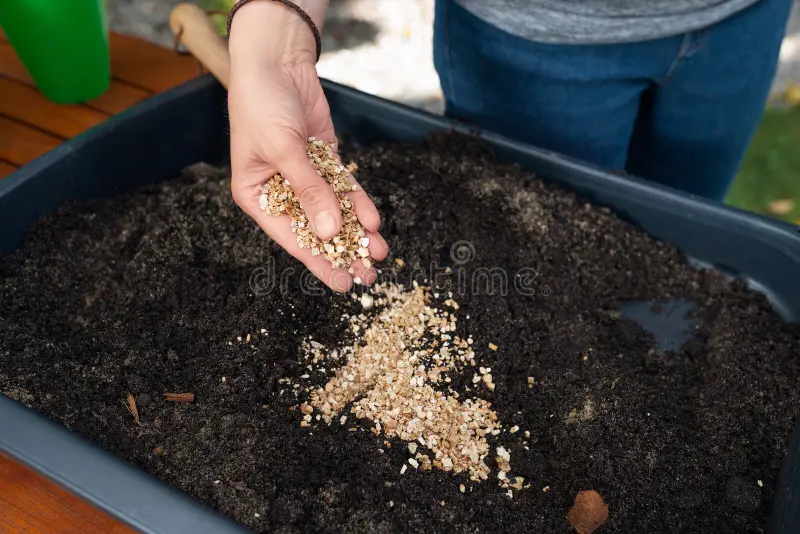
Use a well-draining potting mix. Many peperomias enjoy a mix with perlite, coarse bark or a succulent-type soil because they don’t like to sit in soggy soil. Choose a pot with drainage holes.
Planting step-by-step
-
Choose a container only slightly larger than the current root ball—peperomias like being somewhat snug.
-
Fill part of the container with the prepared mix. Remove the plant from its nursery pot, gently loosen roots if healthy.
-
Place the plant so the top of the root ball sits just below the rim, fill in around and firm lightly.
-
Water lightly to settle the soil, let excess drain away.
-
Place the pot in its designated spot (see Light & Care section next).
Initial watering & settling in
Because your mix is leaner and drains better, water thoroughly right after planting—but then allow the top layer of soil to dry out before next watering. Over-watering early on is a common cause of trouble. The Spruce+1
Care routine: light, water, temperature, humidity, feeding
Here’s the core of what your peperomia needs to thrive.
Light
-
Ideal: bright, indirect light. Near an east or north-facing window is often perfect.
-
Avoid strong direct sun (especially afternoon sun), which can scorch leaves.
-
In lower-light rooms: growth may slow, leaf colour may fade; avoid dark corners if possible.
Watering
-
Water when the top ~1–2 inches (or a finger’s depth) of soil is dry. For many indoor settings this may mean every 1–2 weeks, depending on conditions.
-
Since peperomias often store water in thick leaves, it’s safer to err toward under-watering than over-watering.
-
Always allow excess water to drain; don’t let the plant sit in water.
-
In winter or cooler, less-light seasons: reduce watering frequency.
Temperature & humidity
-
Ideal indoor temperatures: around 65–80 °F (18–27 °C). Keep away from cold drafts or radiator heat.
-
Humidity: they tolerate average indoor humidity, but higher humidity is a bonus. Avoid placing directly under air-vents blowing dry air.
Feeding (fertiliser)
-
Since growth is slow and leaves are small, you won’t need heavy feeding. A diluted balanced liquid fertiliser once a month during the growing season (spring to early autumn) is plenty.
-
Stop or greatly reduce feeding in winter when growth slows.
Pruning & grooming
-
Remove dead, yellowed or damaged leaves to keep the plant neat and healthy.
-
If the plant becomes leggy or stretched, you can pinch back stems to encourage more bushy growth.
Repotting
-
Peperomias like being somewhat root-bound, so repot only every 2-3 years or when roots begin to come out of drainage holes. The Spruce
-
When repotting, you can refresh soil but avoid moving to a pot that’s too much larger.
Propagation: how to multiply your peperomia
One of the joys with peperomias: propagation is quite easy.
-
The most common method: stem or leaf cuttings. Spring or early summer is ideal.
-
Place a healthy leaf or stem cutting in water or directly in soil; roots will develop and you can pot up as a new plant.
-
With some trailing or vining types you can divide at repot time to create a new plant.
-
Propagation helps you replace a leggy plant or create an extra for a friend.
Troubleshooting common issues of peperomia
Even low-maintenance plants benefit from some attention when things go off-track.
Yellowing or dropping leaves
Common causes: overwatering, poor drainage, low light or cold drafts. If you see yellow leaves, check soil moisture and light levels.
Leggy or sparse growth
Often due to too little light or being pot-bound. Move to brighter indirect light, consider pruning to encourage fullness.
Brown crispy leaf edges or leaf burn
Usually from too much direct sun or very dry air. Move away from strong sun, increase humidity slightly.
Root rot
Very wet soil and poor drainage cause this. Use a well-draining mix and reduce watering frequency. If root rot sets in, you may need to trim affected roots, repot into fresh soil and improve conditions.
Pests
Peperomias may occasionally attract mealybugs, spider mites or whiteflies. Inspect the plant regularly, wipe leaves, and treat inflammation early using insecticidal soap if needed.
Top-recommended varieties
Here are some popular types to consider, each with its unique style:
-
Peperomia obtusifolia (baby rubber plant) – thick glossy green leaves, easy-going.
-
Peperomia argyreia (watermelon peperomia) – distinctive silver-striped leaves.
-
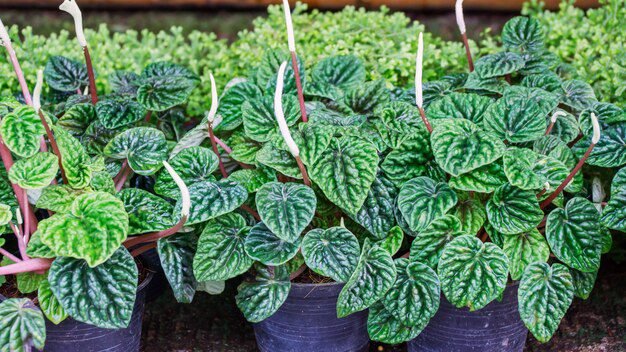
Peperomia caperata – textured, ribbed leaves; some varieties with burgundy undersides.
-
Peperomia rotundifolia (string of turtles) – small round leaves, trailing habit, great for hanging baskets. The Spruce+1
When choosing your variety, match the leaf form and growth habit to your space and light levels.
Styling and placing your peperomia in the home
Peperomias are very versatile and can be incorporated in many ways:
-
Desk or shelf plant: Their compact size makes them perfect for indoor desks, shelves, end tables.
-
Grouping: Combine several small-leaf varieties or contrasting leaf shapes for an attractive display.
-
Hanging or trailing style: Use trailing varieties like P. rotundifolia in hanging pots or wall-mounted planters.
-
Terrarium or succulent mix: Because many peperomias tolerate lower water and have succulent-like leaves, they work well in terrariums or succulent-style bowls (if light and ventilation allow).
-
Pet-friendly homes: Many peperomias are non-toxic to cats and dogs (always check species).
At GardenKT you might link to your other article on “easy care indoor houseplants” or “succulent-type houseplants for beginners” as internal links, which helps readers find more related content.