Welcome to GardenKT. When searching for a plant that offers year-round interest, versatility, and relative ease of care, it is hard to overlook the pittosporum. This diverse genus of shrubs and small trees is a staple in many landscapes, prized for its attractive foliage, pleasant fragrance, and adaptable nature. Whether you need a dense hedge, a striking specimen plant, or a textured container display, there is likely a pittosporum variety perfectly suited to the task.
If you are considering adding a pittosporum to your garden but are unsure where to start, this guide is for you. We will explore the different types of pittosporum, their growth requirements, and how to care for them to ensure they thrive in your landscape. By the end, you will see why this plant is a favorite among gardeners and landscapers alike.
What is a Pittosporum?
Pittosporum is a genus of about 200 species of evergreen shrubs and trees native to a wide range of regions, including Australasia, Oceania, and parts of Asia and Africa. The name itself gives a clue to one of its charming features; it comes from the Greek words ‘pitta’ meaning pitch and ‘sporum’ meaning seed, referring to the sticky, resinous coating that surrounds its seeds.
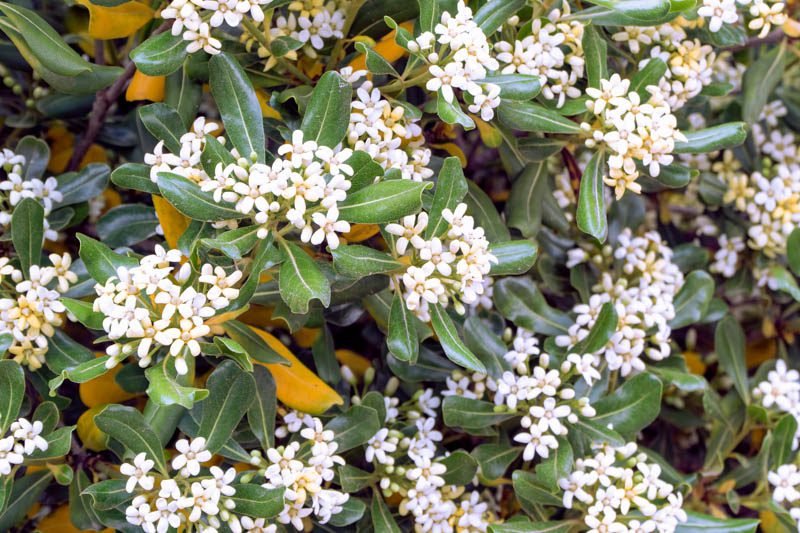
These plants are primarily grown for their foliage, which can vary dramatically between species. Leaves may be glossy green, silvery-gray, or variegated with creamy white edges. Many varieties also produce small, often fragrant flowers in the spring, which can fill the garden with a sweet, citrusy scent. The Royal Horticultural Society provides a comprehensive overview of the pittosporum genus for further reading.
Popular Types of Pittosporum for Your Garden
With so many species and cultivars available, choosing the right pittosporum can be exciting. Here are some of the most popular and widely grown varieties.
Pittosporum tenuifolium (Kohuhu)
This New Zealand native is one of the most popular types, known for its small, wavy-edged leaves and dark, almost black stems.
-
‘Silver Queen’: A classic variegated form with gray-green leaves edged in creamy white. It is a large shrub that can be used for screening.
-
‘Tom Thumb’: A dwarf variety with stunning foliage that emerges bright green and matures to a deep, purplish-bronze. It is perfect for small gardens or containers.
-
‘Golf Ball’: Known for its naturally dense, rounded habit without the need for frequent pruning. It has small, lime-green leaves.
Pittosporum tobira (Japanese Mock Orange)
This species is tough, drought-tolerant, and known for its clusters of highly fragrant, orange-blossom-scented white flowers.
-
‘Wheeler’s Dwarf’: A compact, low-growing form that is excellent as a ground cover or low hedge. It rarely flowers but is valued for its dense, green foliage.
-
Variegated Pittosporum tobira: This cultivar features gray-green leaves with irregular white margins. It is a very common and reliable shrub for warm climates.
Other Noteworthy Varieties
-
Pittosporum eugenioides (Lemonwood): Another New Zealand species with lemon-scented leaves when crushed.
-
Pittosporum crassifolium (Karo): A hardy, coastal-tolerant species with thick, leathery leaves.
How to Grow and Plant Pittosporum
Success with pittosporum starts with putting the right plant in the right place. Following these planting steps will give your shrub a strong foundation.
Choosing the Right Location
Most pittosporum varieties thrive in full sun to partial shade. In hotter climates, providing some afternoon shade can prevent leaf scorch on variegated types. They also prefer a location sheltered from strong, drying winds, which can damage the foliage.
Soil Requirements
The key requirement for pittosporum is well-draining soil. They are not fussy about soil type and can grow in sandy, loamy, or clay soils, as long as water does not pool around the roots. They tolerate a range of soil pH from slightly acidic to slightly alkaline.
Planting Steps
-
Timing: The best time to plant is in the spring or early fall, allowing the roots to establish before extreme temperatures hit.
-
Dig the Hole: Dig a hole that is two to three times wider than the root ball but no deeper.
-
Amend the Soil: Mix the excavated soil with some compost to improve fertility and drainage.
-
Position the Plant: Place the pittosporum in the hole, ensuring the top of the root ball is level with the surrounding soil.
-
Backfill and Water: Fill the hole with the amended soil, firm it down gently, and water deeply to settle the soil and eliminate air pockets.
-
Mulch: Apply a 2-3 inch layer of mulch around the base of the plant to conserve moisture and suppress weeds, keeping it away from the main stem.
Pittosporum Care and Maintenance
Once established, pittosporum is a relatively low-maintenance plant. A little routine care will keep it looking its best for years to come.
Watering
Water your pittosporum regularly during its first growing season to help it establish a strong root system. Once mature, these shrubs are quite drought-tolerant and will only need supplemental watering during prolonged dry spells. Overwatering is a common cause of failure, so always check that the soil is drying out between waterings.
Fertilizing
Feed your pittosporum in early spring with a balanced, slow-release fertilizer. This will support the burst of new growth that occurs in spring and summer. An annual application of compost around the base of the plant is also beneficial. For more on feeding your garden plants, check out our guide to organic fertilizer.
Pruning and Shaping
Pittosporum responds very well to pruning, which is why it is such a popular choice for hedges and topiary.
-
When to Prune: The best time for major pruning is in late winter or early spring, just before new growth begins. Light trimming can be done throughout the growing season to maintain shape.
-
How to Prune: For formal hedges, use sharp shears to create a slightly tapered shape (wider at the bottom). For informal shrubs, you can selectively remove branches to improve the plant’s form. Always remove any dead, damaged, or diseased wood as you see it.
-
Renovation: Older, overgrown pittosporum can be rejuvenated with hard pruning. They can often be cut back to within 12-24 inches of the ground and will regenerate from the old wood.
Common Pests and Problems
Pittosporum is generally a robust plant with few serious pest issues. However, it can occasionally be affected by:
-
Aphids and Scale Insects: These sap-sucking pests can be treated with horticultural oil or insecticidal soap.
-
Powdery Mildew: This fungal disease can occur in humid conditions with poor air circulation. Ensuring proper spacing and avoiding overhead watering can help prevent it.
-
Root Rot: This is the most significant threat and is caused by poorly draining soil. The Clemson Cooperative Extension offers a detailed factsheet on pittosporum that covers these issues.
Using Pittosporum in Landscape Design
The versatility of pittosporum makes it a landscape designer’s dream.
-
Hedges and Screens: Taller varieties like ‘Silver Queen’ create dense, evergreen privacy screens.
-
Specimen Planting: Varieties with striking foliage, like ‘Tom Thumb’, work beautifully as focal points in a mixed border.
-
Foundation Planting: Their evergreen nature provides structure and year-round interest around a home’s foundation.
-
Coastal Gardens: Many species, particularly Pittosporum crassifolium, are tolerant of salt spray and wind.
-
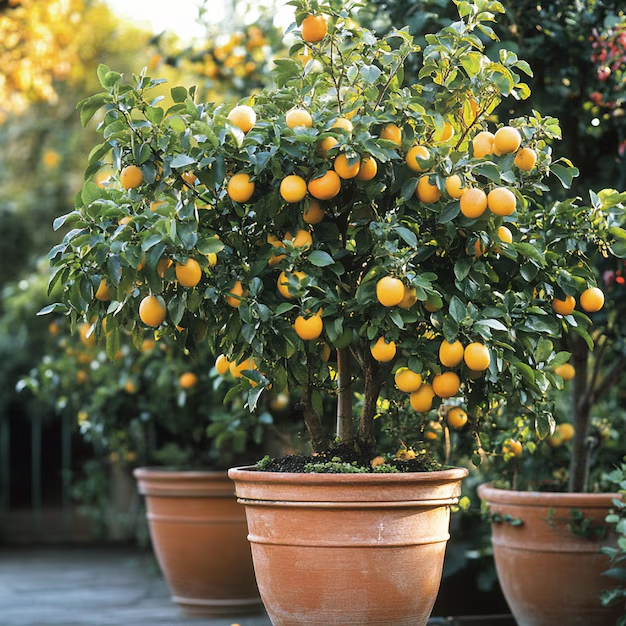
Containers: Dwarf varieties are perfectly suited for patio containers, where their foliage can be appreciated up close.
With its wide range of sizes, colors, and forms, pittosporum is a truly adaptable plant that can solve many garden design challenges. By selecting the right variety and providing basic care, you can enjoy the beauty and resilience of this excellent shrub in your own outdoor space.