Welcome to GardenKT. If you’re looking to add a crunchy, garden-fresh green to your salads, growing romaine lettuce is an excellent choice. This reliable vegetable is perfect for both beginners and experienced gardeners. This guide will walk you through every step—from selecting the right site to harvesting your crisp heads—to ensure your success. You’ll find practical tips and advice tailored for a variety of climates, perfect for readers of GardenKT who want simple, actionable gardening content.
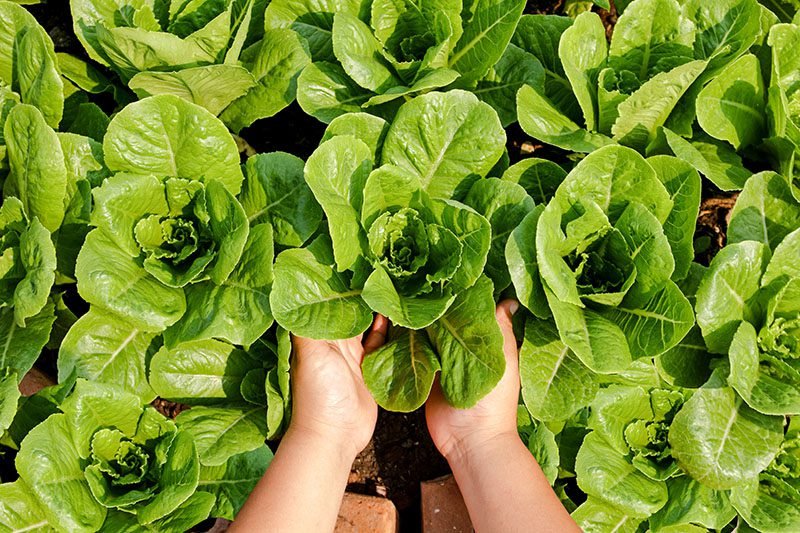
Alt Text: A healthy row of romaine lettuce growing in a raised garden bed.
Why You Should Grow Romaine Lettuce
Romaine lettuce, also known as cos lettuce, is a heading variety known for its tall, upright heads of firm, ribbed leaves. It’s a fantastic plant for any garden for several reasons.
-
Fast Growth: Many romaine varieties produce full heads in just 50 to 75 days from planting.
-
Cool Weather Champion: It thrives in cool weather and tolerates warmer conditions better than many other lettuce types.
-
Versatile Harvest: You can harvest the young outer leaves as baby greens or wait for a full, mature head.
-
Space Efficient: Its upright growth habit makes it tidy and space-efficient, ideal for both garden beds and containers.
In my own garden, I planted romaine lettuce in a raised bed and was delighted by how quickly it formed beautiful, crisp heads, providing fresh salads for weeks.
When and Where to Plant Romaine Lettuce
Successful growing romaine lettuce starts with perfect timing and the right location.
Perfect Planting Timing
Romaine lettuce is a cool-season crop. The goal is to have it mature before the intense heat of summer or during the cooler days of fall.
-
Spring Planting: Start seeds indoors 8-12 weeks before your last expected frost, or sow seeds directly in the garden as soon as the soil can be worked.
-
Fall Planting: For a autumn harvest, sow seeds 6-8 weeks before your first expected fall frost.
In my garden, successive plantings in early spring and late summer allowed me to harvest fresh lettuce from spring straight into late fall.
Ideal Site and Soil Conditions
To grow romaine lettuce successfully, choose a spot that receives at least 4-6 hours of sunlight daily. The soil should be well-drained and fertile. Before planting, I always work a generous amount of compost into my garden bed, which I’ve found dramatically improves the size and crispness of the heads.
How to Plant Romaine Lettuce
Getting your seeds or seedlings in the ground correctly is a crucial step in growing romaine lettuce.
Starting from Seed
-
Seed Depth: Sow seeds on the soil surface or just barely cover them, as they need light to germinate.
-
Spacing: For full-sized heads, thin seedlings or space transplants 8-12 inches apart.
Planting Methods
You can start your seeds indoors under grow lights for a head start, or sow them directly into the garden. For a continuous supply, practice succession planting by sowing new seeds every 2-3 weeks during the cool seasons.
How to Care for Romaine Lettuce Plants
Consistent care is the secret to tender, non-bitter leaves when you grow romaine lettuce.
Watering and Mulching
Consistent moisture is absolutely key. Lettuce that experiences drought stress can become bitter and bolt (prematurely flower). Apply a layer of mulch around your plants to retain soil moisture, keep roots cool, and suppress weeds. I use a pine-shaving mulch, which works wonderfully to keep the soil temperature even.
Fertilizing Your Lettuce
After planting, feed your lettuce with a balanced, organic liquid fertilizer every 2-3 weeks. Be careful to avoid over-fertilizing with nitrogen, which can lead to weak, overly lush leaves.
Managing Heat and Preventing Bolting
While tolerant, romaine will bolt in summer heat. To delay this:
-
Provide afternoon shade using a shade cloth or by planting near taller crops.
-
Ensure consistent watering to keep the plants from stressing.
Alt Text: Harvesting a mature head of romaine lettuce from the garden with a sharp knife.
Harvesting and Storing Your Romaine Lettuce
The final reward for growing romaine lettuce is a crisp, homegrown harvest.
When and How to Harvest
-
As Baby Greens: You can begin snipping young outer leaves about 30 days after sowing.
-
Full Heads: Harvest when the heads feel firm and are 8-12 inches tall, typically 50-75 days after planting.
For the best flavor and crunch, harvest in the early morning. Use a sharp knife to cut the entire head at the base, about an inch above the soil. Some varieties may even regrow a second, smaller head from the stump.
Proper Storage
After harvest, rinse the leaves, dry them thoroughly, wrap them in paper towels, and store them in a sealed bag in the refrigerator’s crisper drawer. This method helps maintain their signature crunch for over a week.
Growing Romaine Lettuce in Containers
Don’t have garden space? You can easily grow romaine lettuce in pots on a patio or balcony.
-
Container Size: Use a pot that is at least 6-8 inches deep with good drainage.
-
Care: Container soil dries out faster, so check moisture levels frequently. Use a quality potting mix and space plants adequately for good air circulation.
On my own patio, I’ve grown beautiful romaine heads in containers by ensuring they get enough water and a bit of afternoon shade.
Troubleshooting Common Problems
Even the best-laid plans can hit a snag. Here are solutions for common issues when you grow romaine lettuce.
-
Bolting: Caused by heat and drought. Provide shade and consistent water, and plant at the right time of year.
-
Bitter Leaves: Often a result of uneven watering or high heat. Keep soil consistently moist.
-
Pests: Watch for slugs, snails, and aphids. Use organic controls and encourage good air circulation.
By following this guide, you’ll be well on your way to a successful season of growing romaine lettuce. There’s nothing quite like the satisfaction of making a salad with crisp, sweet lettuce you nurtured yourself from a tiny seed. Happy gardening