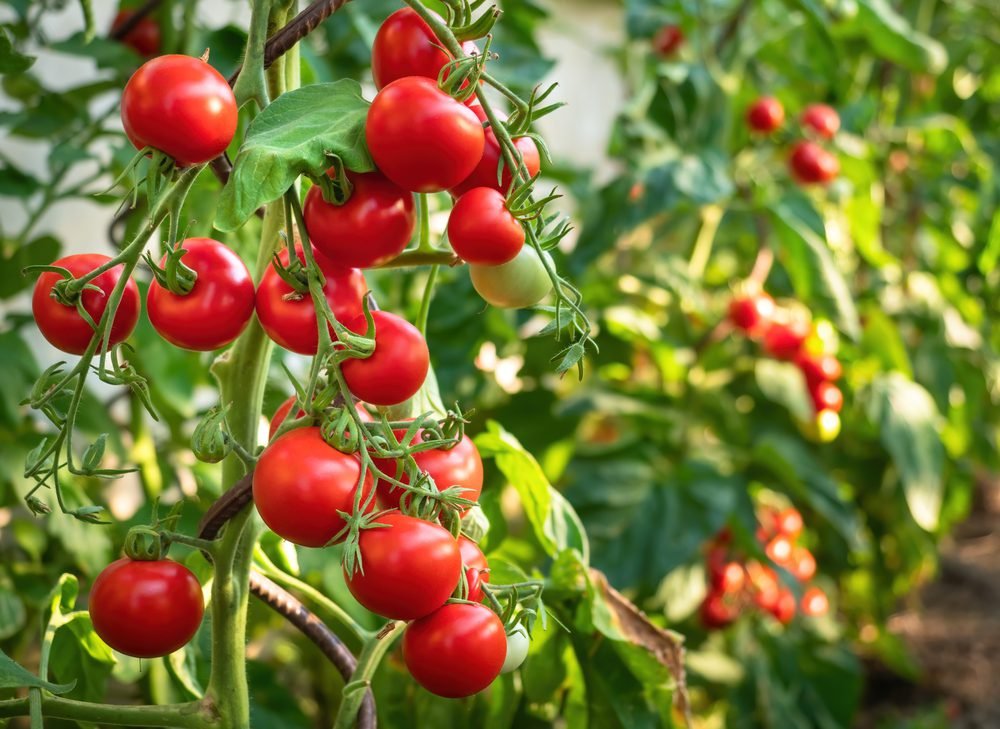
Welcome to GardenKT. Growing healthy, productive tomato plants is a goal for every gardener. One of the most effective organic strategies to achieve this is using tomato companion plants. This method involves strategically planting certain herbs, flowers, and vegetables near your tomatoes to create a supportive garden ecosystem. The right tomato companion plants can naturally repel pests, improve soil health, and even enhance the flavor of your harvest. This guide will explore the best companions for your tomatoes and explain how to use them for a more successful garden.
What Are Tomato Companion Plants?
Companion planting is like building a supportive community for your vegetables. For tomatoes, this means selecting specific companion plants that offer direct benefits. These benefits can include repelling harmful insects like aphids and tomato hornworms, attracting beneficial insects like ladybugs and parasitic wasps, and improving the overall growing conditions. By understanding which plants work well together, you can reduce your reliance on chemicals and create a more resilient, natural garden. For a broader understanding, the University of Minnesota Extension provides a useful overview of companion planting.
The Best Tomato Companion Plants for Pest Control
Many of the best tomato companion plants work by confusing or repelling common pests with their strong scents.
Herbs as Tomato Companions
-
Basil: This is the most famous companion for tomatoes. Its strong aroma is known to repel thrips, flies, and mosquitoes. Many gardeners also believe it improves the tomatoes’ flavor.
-
Oregano and Marjoram: These low-growing herbs form a dense mat that acts as a living mulch, suppressing weeds and conserving soil moisture. Their small flowers are excellent for attracting beneficial insects.
-
Mint: The potent smell of mint deters aphids, ants, and cabbage moths. To prevent its invasive nature from taking over, plant mint in a container and then place it near your tomatoes.
-
Parsley: While not a strong repellent, parsley is fantastic for attracting hoverflies. The larvae of hoverflies are voracious predators of aphids.
Flowers as Tomato Companions
-
Marigolds: A must-have companion plant, marigolds release a compound from their roots that suppresses root-knot nematodes, microscopic pests that attack tomato roots. Their scent also helps deter whiteflies.
-
Nasturtiums: These vibrant flowers are a classic “trap crop.” Aphids are highly attracted to nasturtiums, drawing them away from your tomato plants.
-
Borage: This herb is a powerhouse companion. It is said to repel tomato hornworms and its star-shaped flowers are a major pollinator magnet, which helps improve fruit set.
-
Calendula: Also known as pot marigold, calendula attracts a wide range of beneficial insects, including ladybugs and lacewings, which help control pest populations.
https://gardenkt.com/images/tomato-companion-plants-bed.jpg
Alt text: Tomato companion plants including marigolds and basil growing together in a garden bed.
Tomato Companion Plants for Soil and Space
Some companions help your tomatoes by improving the soil or making efficient use of garden space.
-
Beans: As legumes, beans have the ability to fix nitrogen from the air into the soil. Since tomatoes are heavy feeders, this extra nitrogen provides a natural nutrient boost.
-
Asparagus: This is a mutually beneficial partnership. Tomatoes help repel the asparagus beetle, while asparagus is believed to help combat root-knot nematodes.
-
Leafy Greens: Lettuce and spinach can be planted in the shade cast by larger tomato plants. This provides the greens with relief from the hot summer sun, extending their harvesting season.
https://gardenkt.com/images/basil-tomato-companion.jpg
Alt text: Basil, an excellent tomato companion plant, growing next to a ripe tomato.
What Not to Plant With Tomatoes
Just as important as knowing the good companions is knowing which plants to keep away from your tomatoes.
-
Brassicas: Avoid planting cabbage, broccoli, and kale near tomatoes. They are heavy feeders and will compete vigorously for nutrients, potentially stunting your tomatoes’ growth.
-
Corn: Corn and tomatoes share a common enemy, the corn earworm (also known as the tomato fruitworm). Planting them together creates a large target and can lead to a severe infestation.
-
Fennel: Fennel releases substances from its roots that can inhibit the growth of many plants, including tomatoes. It is best grown in a separate part of the garden.
-
Potatoes: Being in the same plant family, they are susceptible to the same blights and pests. Keeping them separate helps prevent the rapid spread of disease.
Implementing Companion Plants in Your Garden
Using these tomato companion plants is simple. You can interplant basil and marigolds between your tomato plants, create a border of nasturtiums, or use low-growing oregano as a living mulch. The key is to create a diverse and interconnected garden rather than segregated rows. For more ideas on garden layout, see our guide to planning your kitchen garden.
By choosing the right tomato companion plants, you can cultivate a healthier, more productive, and beautiful garden ecosystem. This natural approach leads to stronger plants and a more bountiful harvest with less effort.